May 2026 | Read Time: 6 mins | Team Opulnz Abode | Source: Indian Express, May 2026
There is a question that India’s most affluent families are quietly beginning to ask — not about markets or investments, but about themselves: how do we take care of ourselves at our old age? The Indian Express put it exactly that way in a May 2026 investigation into Gurgaon’s emerging senior living boom. The answer, it turns out, is driving the fastest-growing real estate category in India.
India’s senior living market is valued at $4.47 billion in 2026. By 2031 it will reach $14.14 billion — growing at 25.92% CAGR. India’s elderly population of 162.2 million is on course to more than double to 347 million by 2050. And the city sitting at the epicentre of this transformation is not Mumbai. It is not Bengaluru. It is Gurgaon.
Less than 1% of India’s elderly live in organised senior communities. That gap — between 162 million seniors and 22,157 organised units — is the investment thesis that is now attracting DLF, Max Estates, Pioneer Urban, and institutional capital simultaneously.
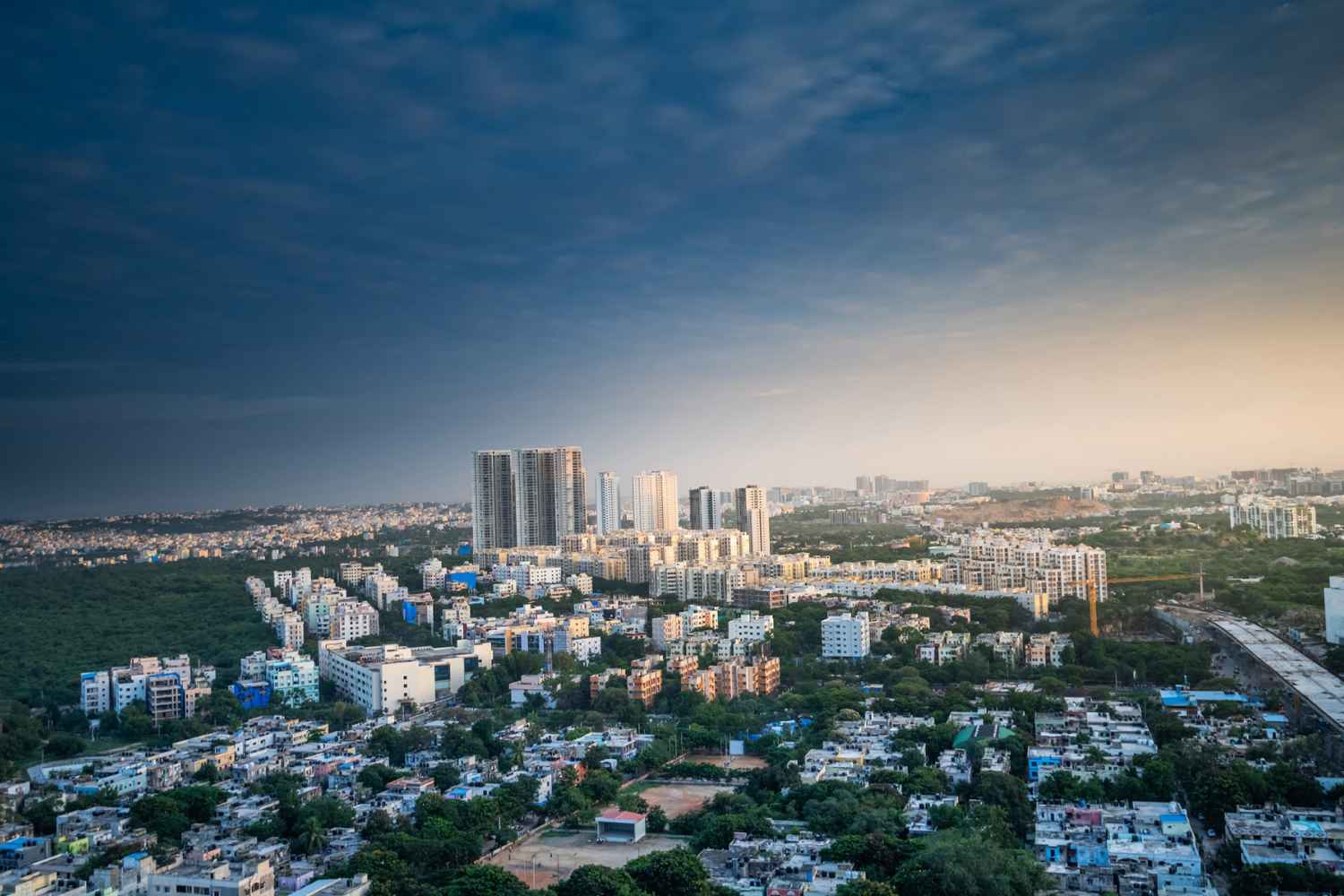
Why Gurgaon — The Data That Makes This City India’s Senior Living Capital
8% of Gurgaon’s population is already 60-plus — and 37% earn above ₹10 lakh a year
According to a Savills benchmarking study cited in the Indian Express investigation, 8% of Gurgaon’s population is aged 60 and above. This is not merely a demographic statistic — it is a demand signal. When paired with the fact that 37% of Gurgaon’s residents earn above ₹10 lakh annually, you have the most financially capable elderly population of any Indian city outside the Lutyens’ zone of Delhi.
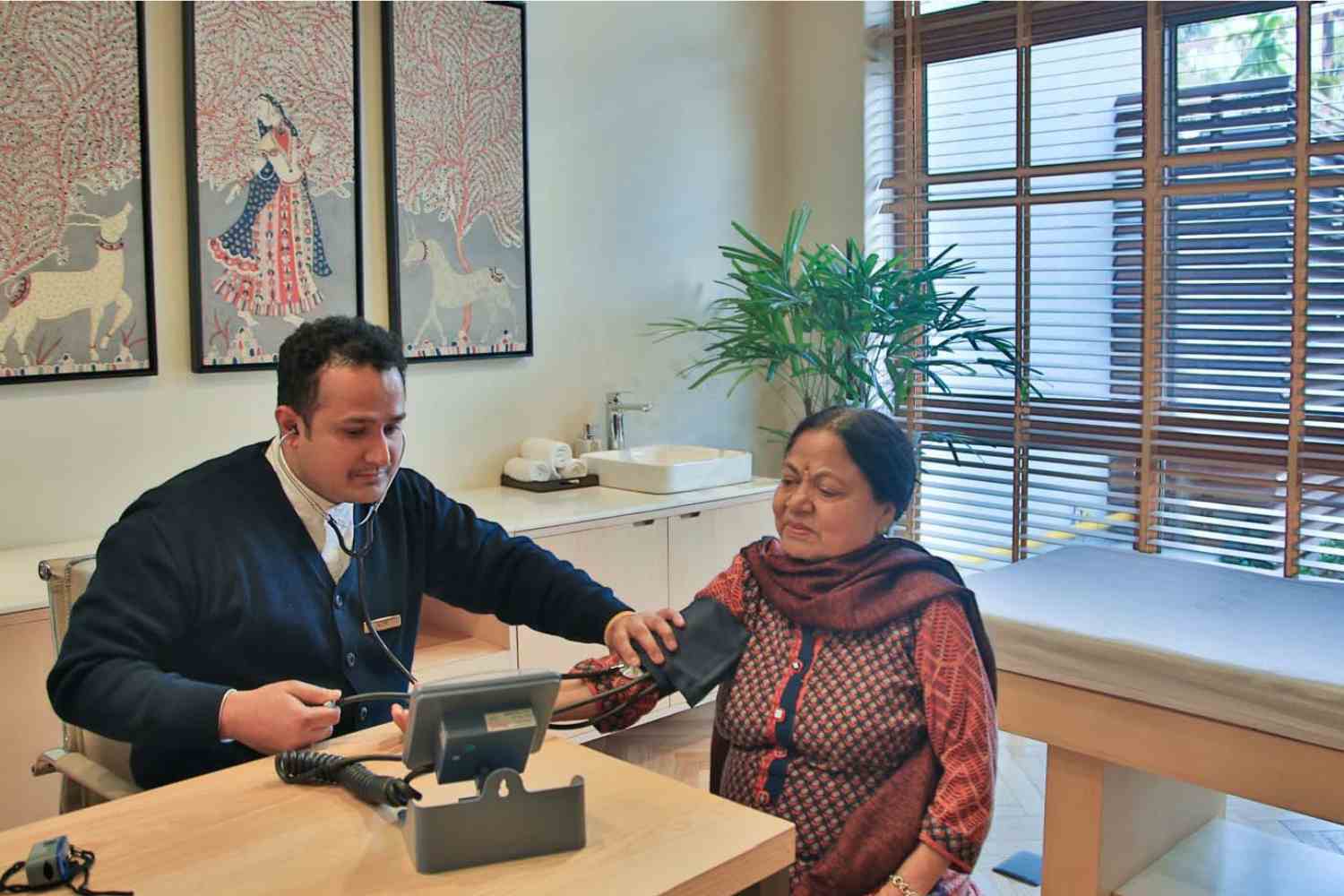
This combination — density of senior residents, financial capacity, and Gurgaon’s own world-class healthcare infrastructure (Medanta, Fortis, Artemis, CK Birla, all within 15 minutes of most premium sectors) — makes the city a natural magnet for institutional senior living investment.
The family structure that is driving the transition from joint to independent senior living
The Indian Express investigation identified the structural shift driving demand with precision: nuclear families, children abroad or in other cities, and a generation of seniors who are financially independent for the first time in India’s history.
- Nuclear families: Younger generations working in Bengaluru, Singapore, or Dubai cannot provide the daily support that joint families once offered. The question is no longer whether to seek managed support — it is where.
- Children settled globally: NRI families managing their parents’ welfare from the US, UK, or UAE are disproportionately driving interest in managed senior communities — where professional support replaces what proximity once provided.
- Financially independent seniors: Today’s 60-65 year-old retired professional or business family member has EPF, PPF, rental income, and mutual fund portfolios. They are not dependent on children. They are consumers making active lifestyle choices.
- Early retirement trend: Gurgaon’s corporate ecosystem creates a specific demographic: professionals retiring at 55-60 with significant wealth, excellent health, and 20-30 years of productive life ahead. Senior living is not care for them — it is a lifestyle upgrade.
Haryana raises FAR for senior living from 2.25 to 3.0 — the regulatory catalyst
The Haryana government’s decision to raise the maximum Floor Area Ratio (FAR) for senior living colonies from 2.25 to 3.0 is the single most important regulatory development in this segment. In practical terms, it means developers can now build 33% more floor space on the same land parcel — making projects commercially viable in a way that the earlier FAR did not fully support.
This matters because land in Gurgaon’s premium corridors is expensive. A senior living project on Sector 63 GCER — where land costs ₹10,000-15,000 crore per acre — needed the higher FAR to generate the unit count that justifies the land acquisition. DLF’s Arbour Senior Living, Pioneer Urban’s Advait, and J Estates’ upcoming projects all benefit directly from this change.
The Projects — Who Is Building Gurgaon’s Senior Living Ecosystem
DLF Arbour Senior Living, Sector 63 GCER — India’s Most Anticipated Senior Launch
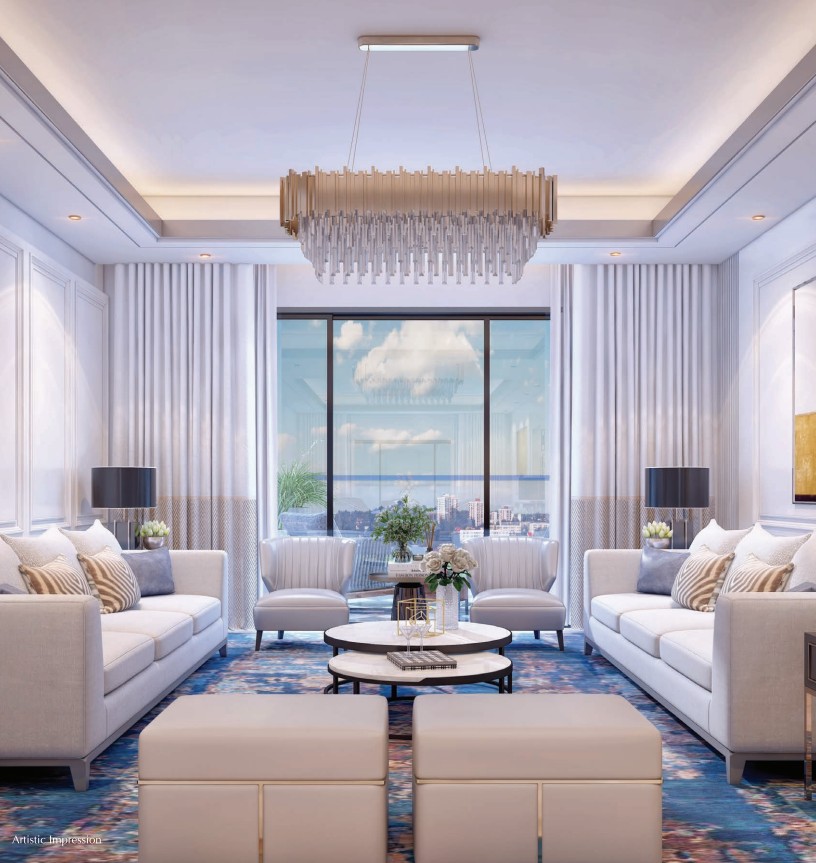
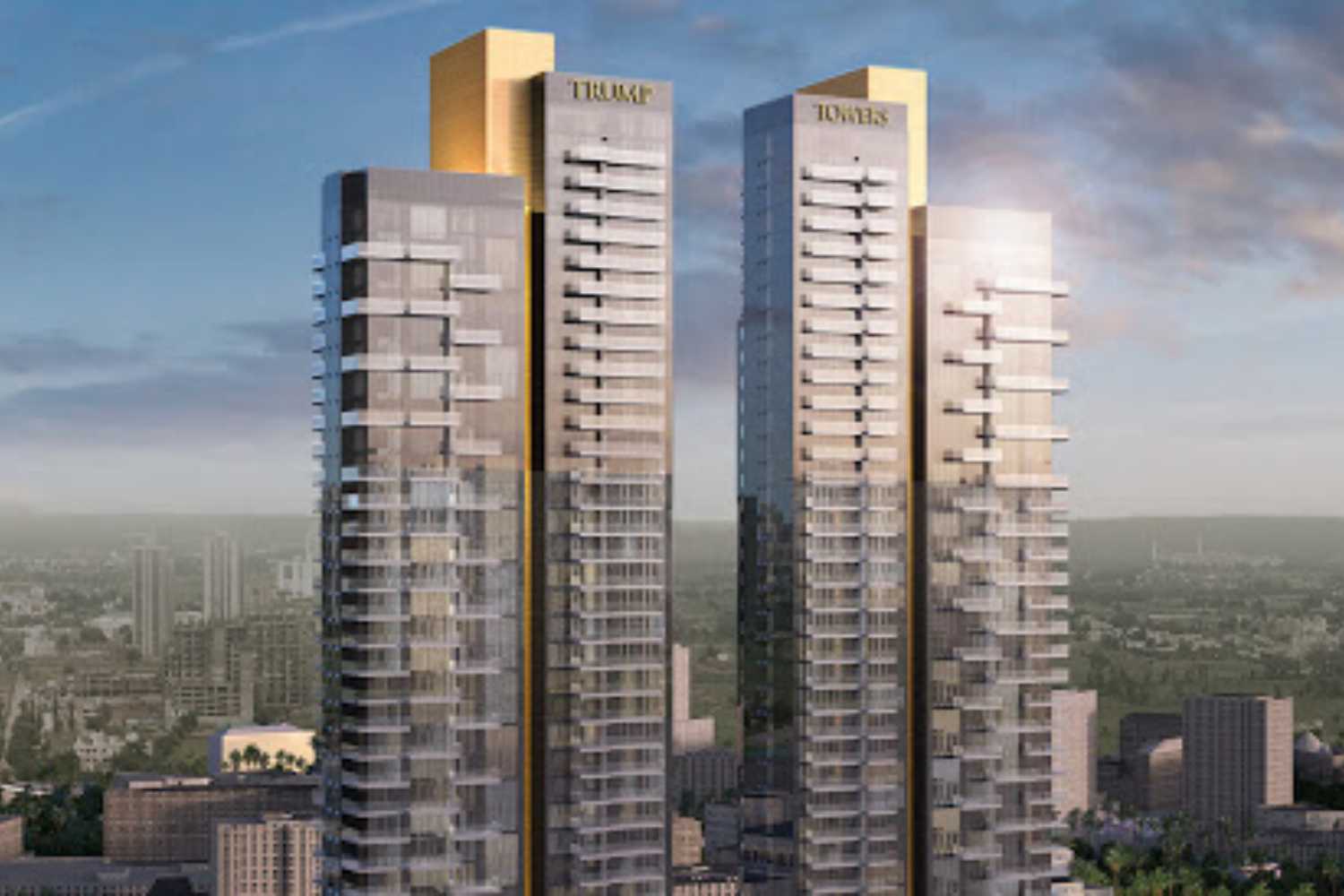
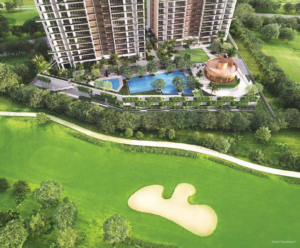
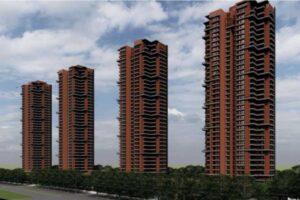
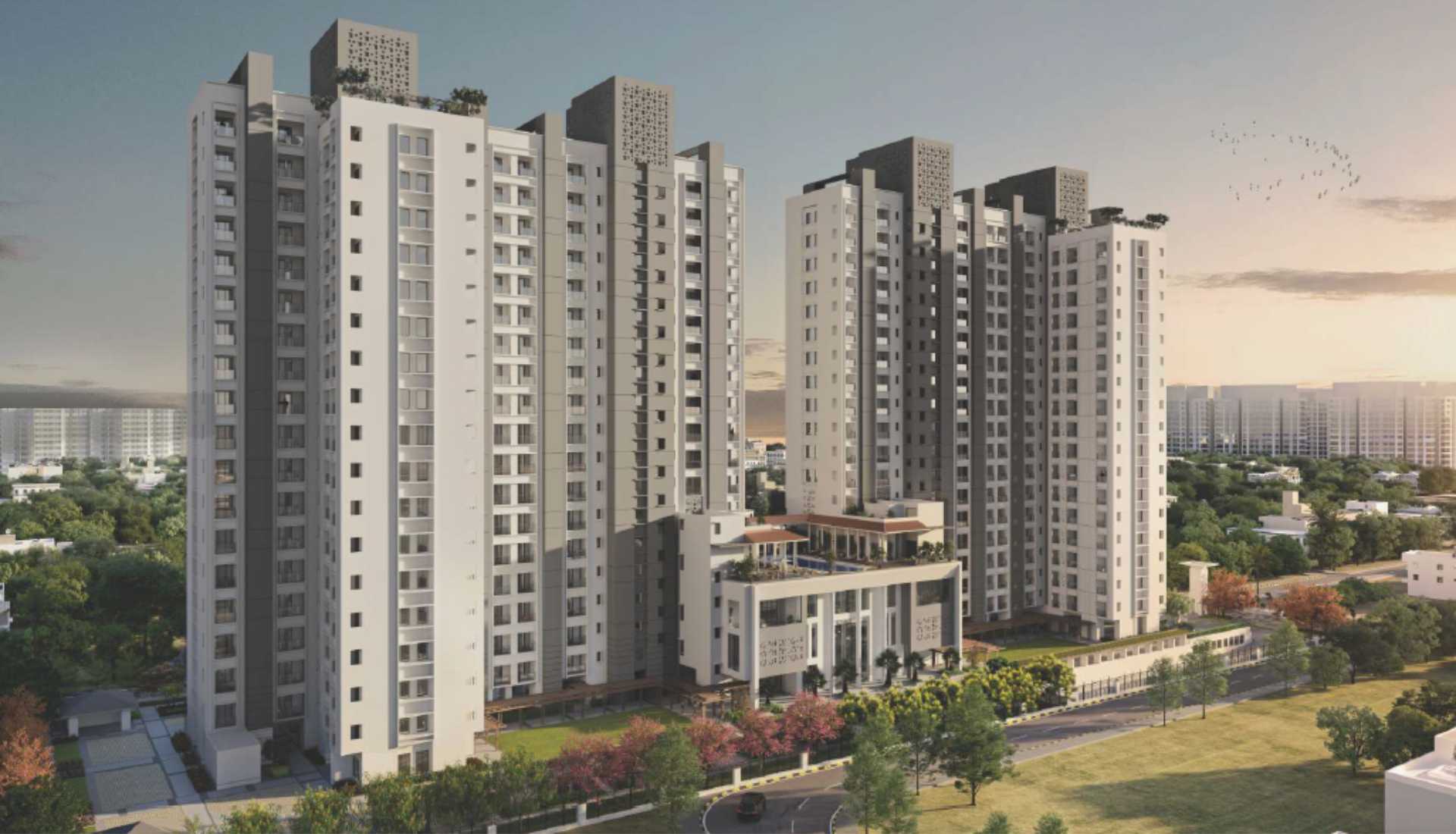
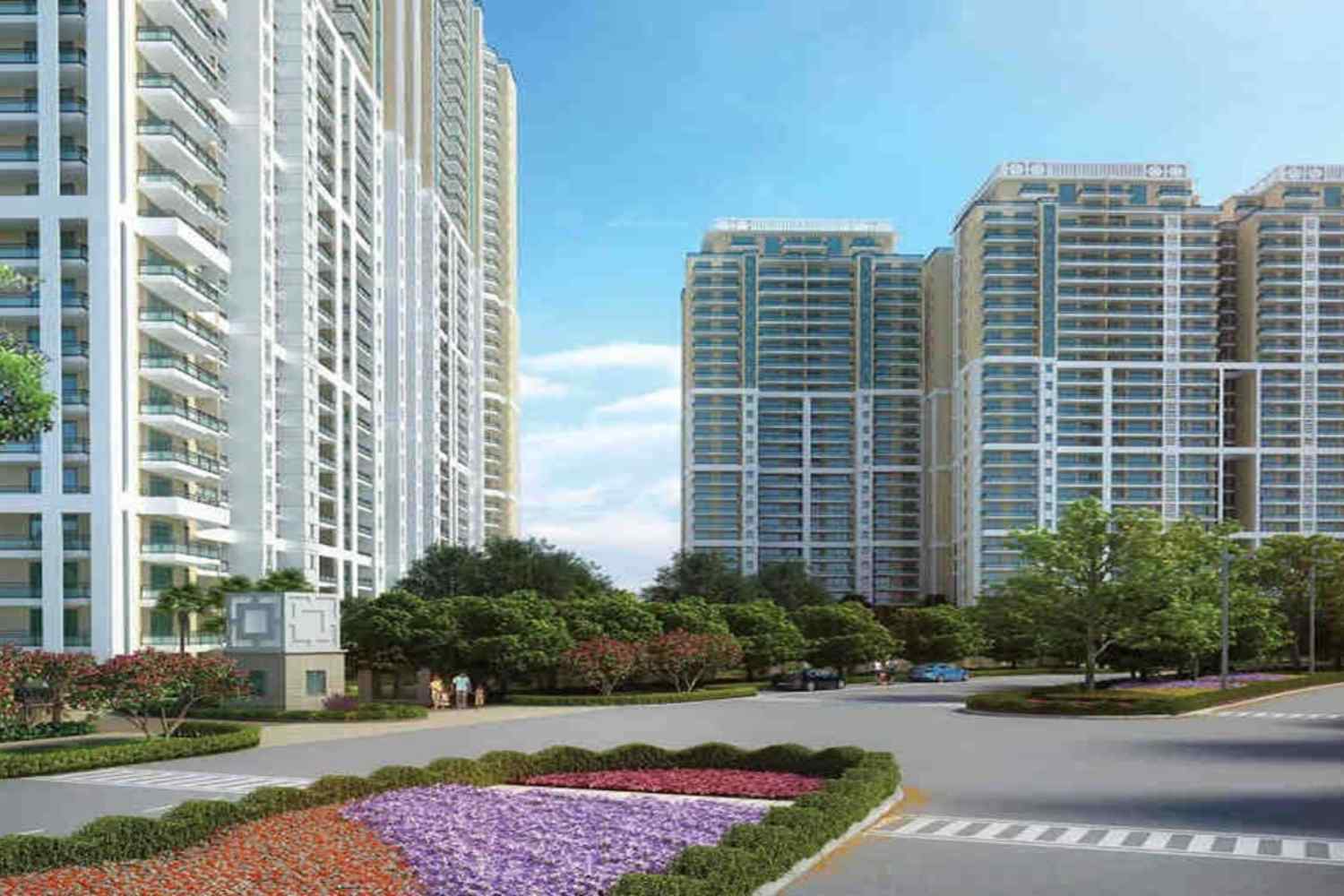
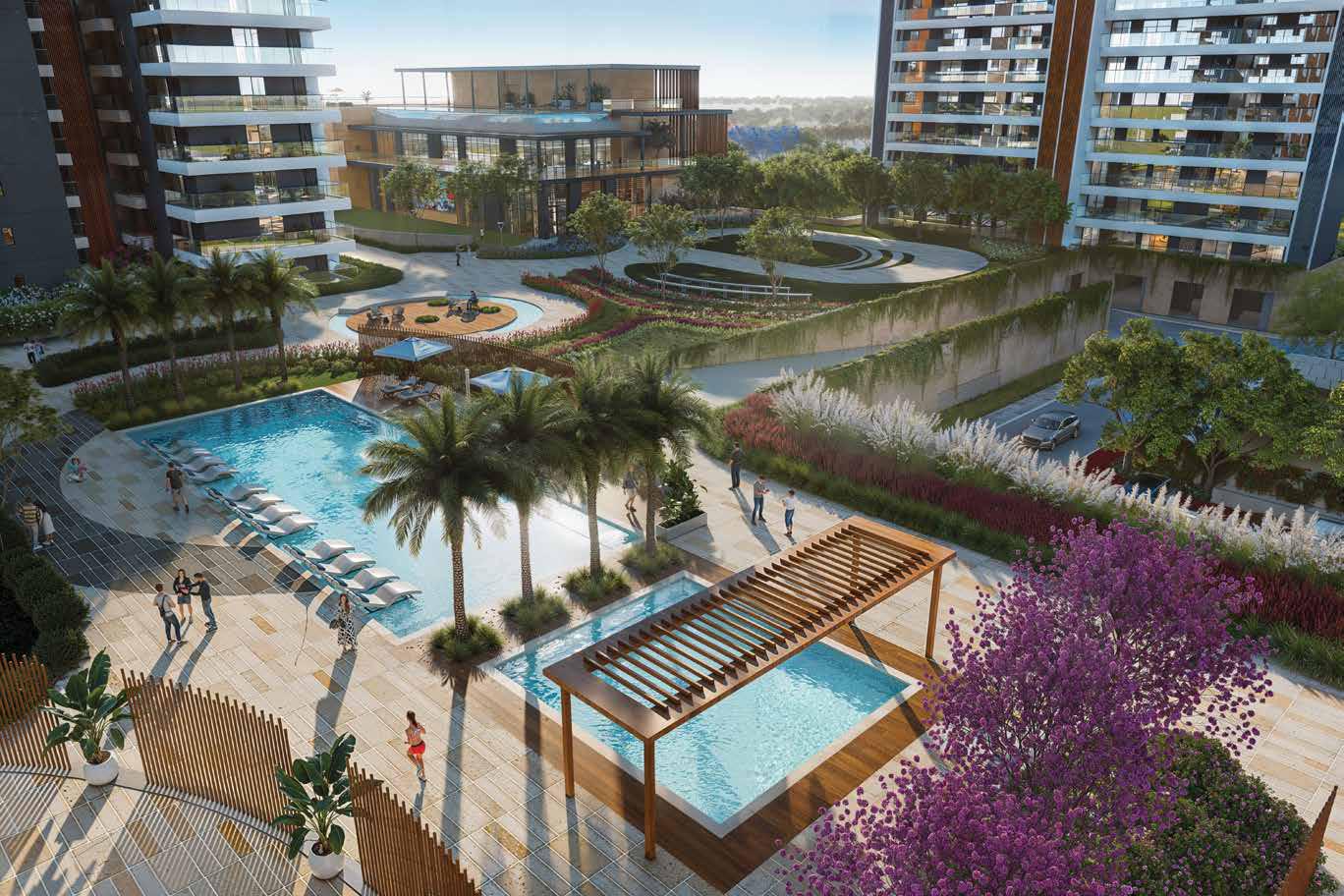
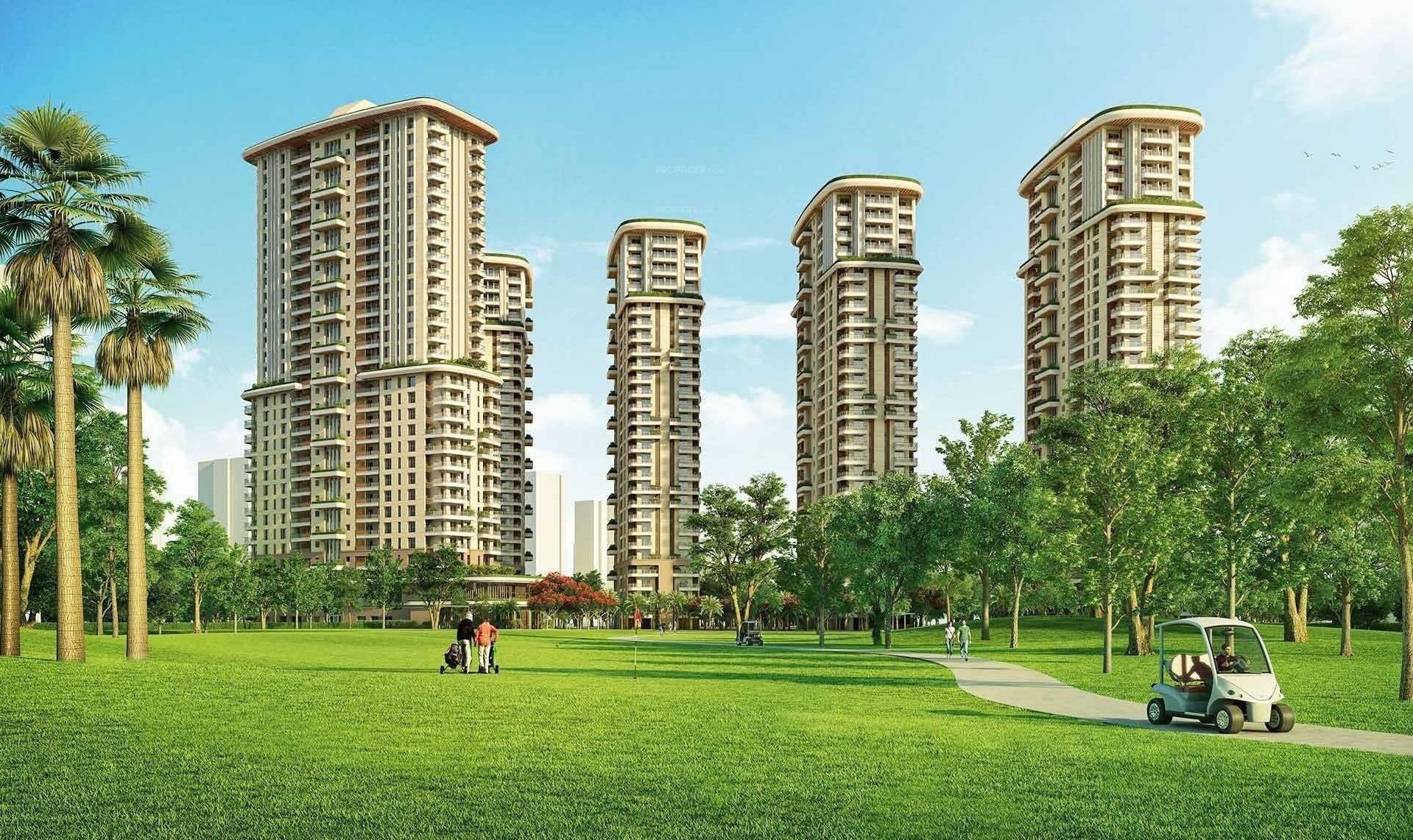
DLF’s entry into senior living is the most consequential development in the segment’s history. On the remaining 5 acres of the 25-acre Arbour campus on Golf Course Extension Road, DLF is building two dedicated senior living towers — 2 units per floor, 3 BHK-plus configurations of 3,500-4,500 sq ft, priced at approximately ₹28,000-32,000 per sq ft.
DLF’s entry does three things for the segment simultaneously: it validates the address premium (GCER is India’s fastest-appreciating luxury corridor), it establishes the product standard (DLF’s DNA means clubhouse quality, construction integrity, and post-possession management that smaller developers cannot match), and it signals to institutional investors that senior living in NCR has arrived as a credible asset class.
- Location: Sector 63, Golf Course Extension Road — within the Arbour campus, adjacent to Arbour’s existing luxury community.
- Product: Two towers. 2 units per floor. 3 BHK-plus at 3,500-4,500 sq ft. Move-in ready with branded fittings, modular kitchen, VRV AC.
- Pricing: ₹28,000-32,000 per sq ft. Total investment: approximately ₹12-14 crore per unit.
- Medical integration: Medanta The Medicity 12-14 minutes. Fortis, Artemis within 15 minutes. On-campus medical support planned.
- RERA: Extending from Arbour’s existing HRERA-PKL-RealEstate-2022-1138. Confirm current RERA status with Opulnz Abode.
- GDV: Approximately ₹2,000 crore — DLF’s formal senior living investment commitment.
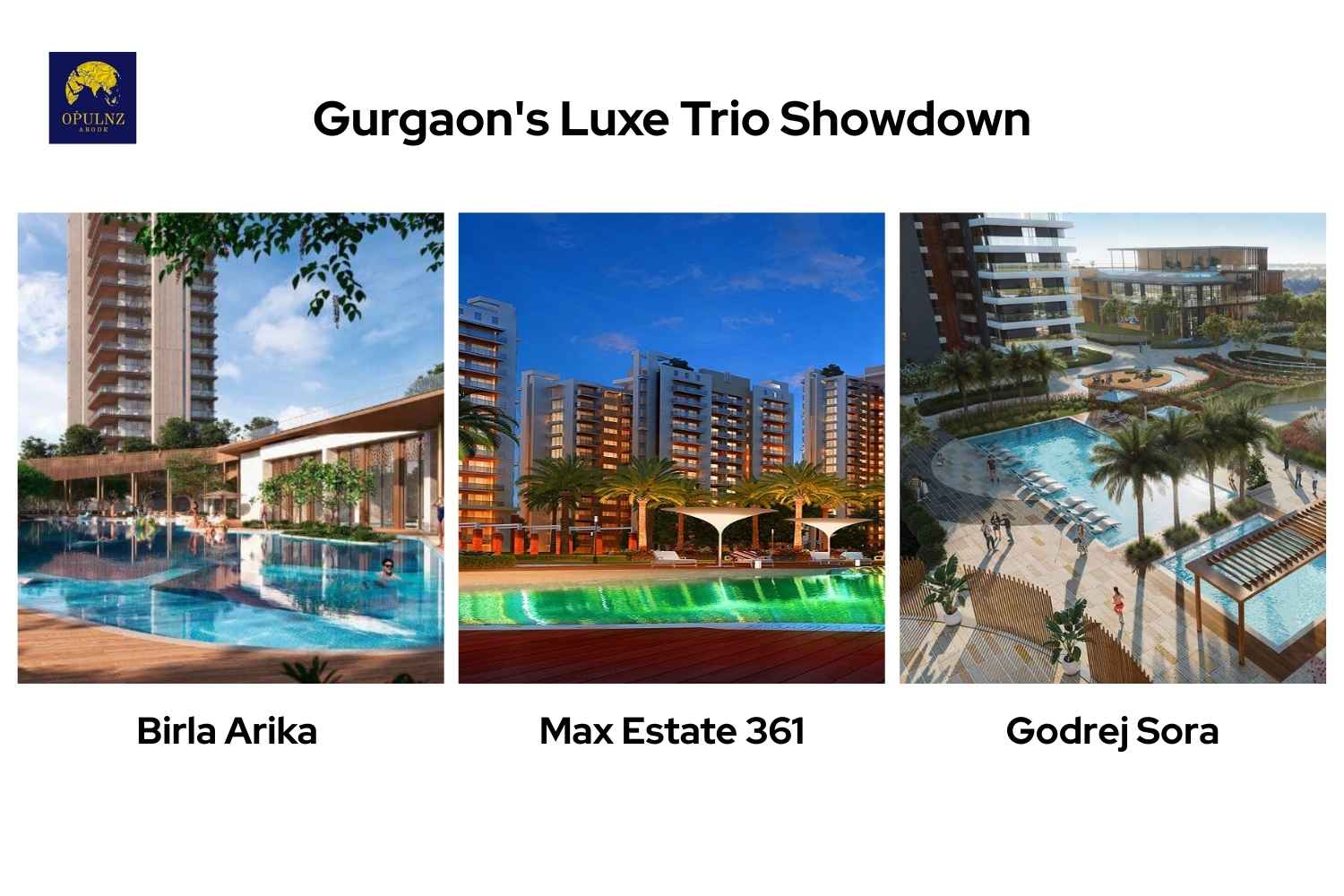
Max Antara Estate 361, Sector 36A Dwarka Expressway — The Intergenerational Pioneer
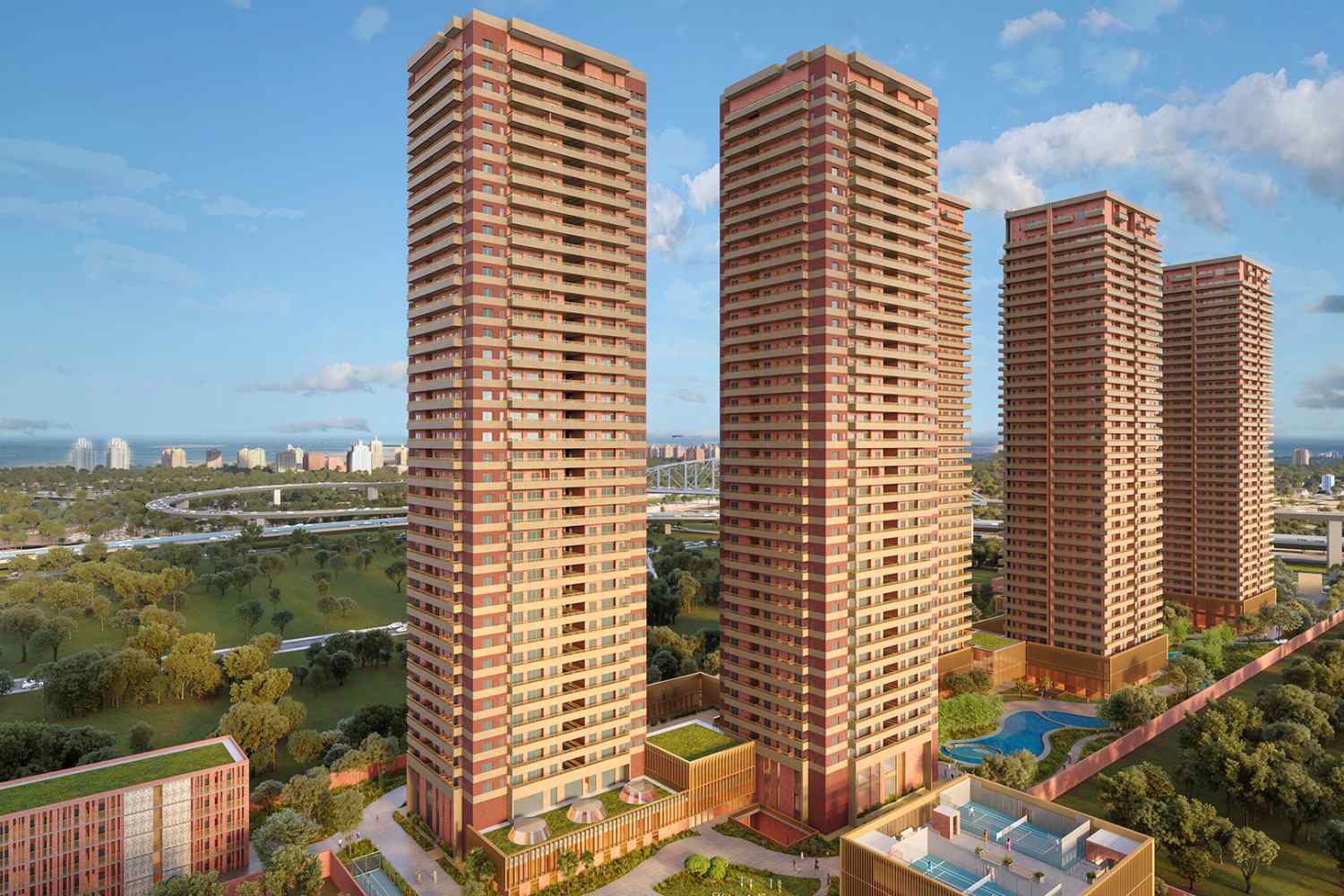
Max Estates’ Antara is India’s most sophisticated senior living brand — the direct descendant of Antara Dehradun, which established what managed senior luxury could look like. At Estate 361 on Sector 36A, Dwarka Expressway, Max Antara takes an entirely different approach from DLF Arbour: instead of a standalone senior community, it integrates senior towers within a broader UHNW residential estate.
The intergenerational model — seniors living alongside the general UHNW resident community, sharing the same Vana-partnered Longevity Centre, the same living forest, the same fine dining and professional management — eliminates the isolation that pure senior communities sometimes generate. This is not an old age home reimagined. It is a luxury estate where seniors are a welcome and considered part of the residential community.
- Location: Sector 36A, Dwarka Expressway — adjacent to the Global City and Cyber City 2 corridor.
- Scale: 18 acres. Senior towers integrated within the broader Max Estate 361 campus.
- Configurations: 2.5 BHK (2,200 sq ft), 3 BHK (2,500 sq ft), 4 BHK (3,200 sq ft).
- Pricing: Approximately ₹22,000 per sq ft.
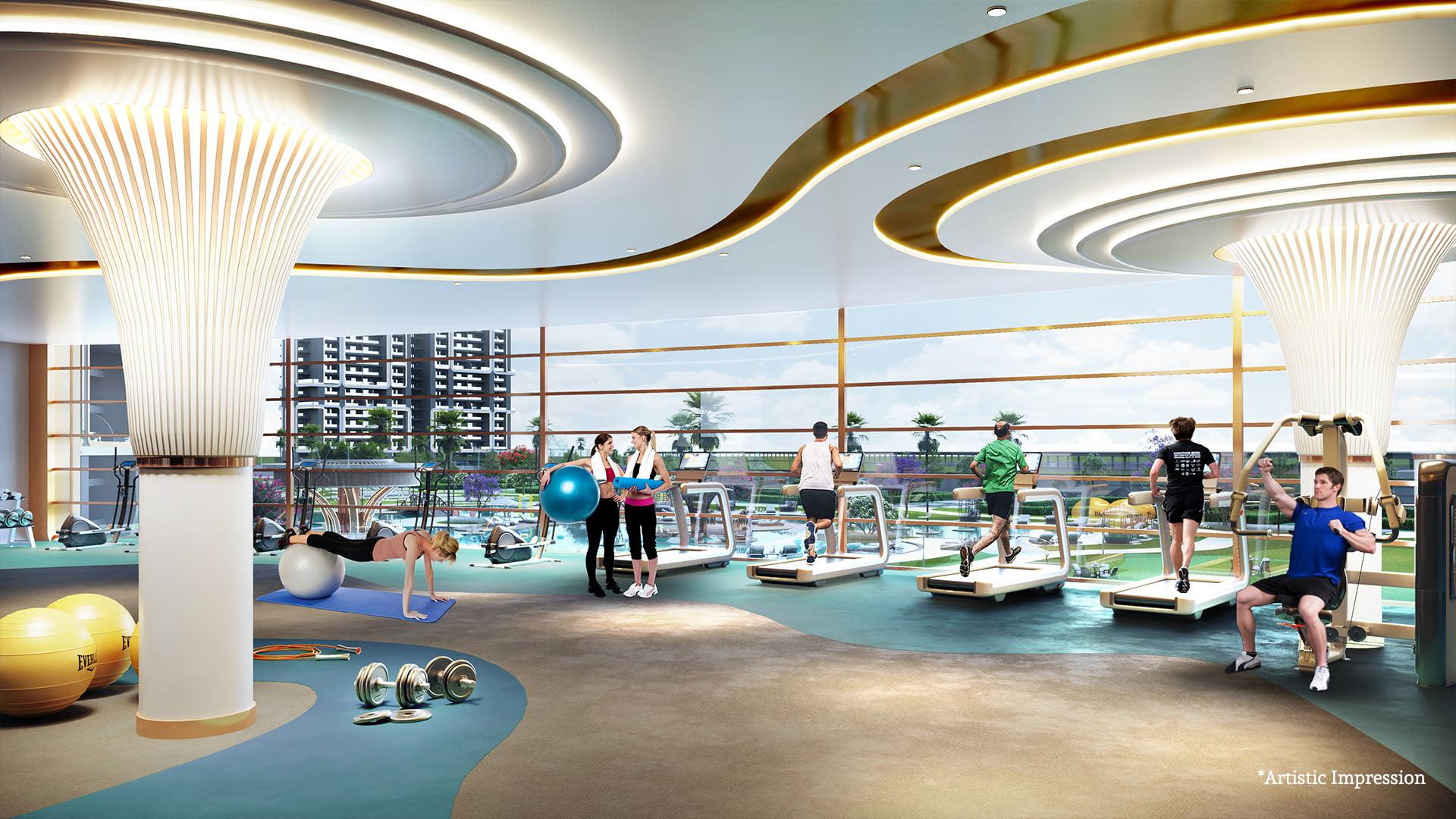
- Unique features: Vana wellness partnership. Longevity Centre. On-campus doctors, ambulances. Ghar ka khana restaurant. Professional concierge.
- Investment case: Dwarka Expressway operational now. Global City under development adjacency. Jewar Airport appreciation incoming. Best forward appreciation of any Gurgaon senior living project.
Pioneer Urban Advait, Sector 50 — The IGBC Platinum Benchmark
Pioneer Urban’s Advait in Sector 50 is the segment’s existing benchmark — delivered, occupied, IGBC Platinum certified, and setting the standard for what purpose-built senior living looks like in Gurgaon. With 164 units, a ₹300 crore investment, and possession expected early 2027, it is the most advanced senior living project in the NCR in terms of delivery timeline.
- Scale: 164 units. ₹300 crore investment.
- Certification: IGBC Platinum — the highest green building certification in India.
- Location: Sector 50, Gurgaon — established residential neighbourhood, well-connected to Sohna Road and Golf Course Road ecosystems.
- Management: NABH-accredited senior care management. Quarterly KPI reviews for care standards.
- Possession: Early 2027.
J Estates and Kalpvriksha Realty — The Next Wave
The Indian Express investigation identified two additional developers building dedicated senior living communities in Gurgaon: J Estates with three upcoming projects in Sectors 36 Sohna, 63, and 89 (approximately 450 units, ₹2,100 crore GDV), and Kalpvriksha Realty with a dedicated retirement community in Sector 84.
Together with DLF, Max Antara, and Pioneer Advait, the total committed senior living investment in Gurgaon now exceeds ₹4,400 crore — making it the highest concentration of senior living capital deployment in any single Indian city in a 24-month window.
The Three Formats — What ₹85,000 to ₹2 Lakh a Month Actually Buys
The Indian Express investigation identified three distinct formats within Gurgaon’s senior living ecosystem — each targeting a different buyer and price point:
Format 1 — Independent Residences (Freehold)
The largest segment by market share — 64.5% of organised units nationally. DLF Arbour Senior Living and Pioneer Advait operate in this format. Residents purchase freehold apartments (₹12-14 crore at DLF, ₹7-9 crore at Pioneer) and pay monthly maintenance for community services, housekeeping, and amenity access.
- Monthly cost: ₹85,000-₹1.5 lakh per month inclusive of all services.
- Who buys: HNI families with ₹10+ crore budget. Children want parents in a quality address close to the family’s Gurgaon ecosystem. Seniors who want to own, not rent.
- Investment angle: The freehold asset appreciates with the corridor. DLF Arbour on GCER benefits from the same infrastructure catalysts as any other GCER luxury purchase.
Format 2 — Assisted Care Homes
NABH-accredited managed care facilities where medical supervision is the primary product. Epoch Elder Care, Kalpvriksha, and boutique operators like Aurum and NEMA Elder Care dominate this segment. Not a real estate investment — a care service purchased on a rental basis.
- Monthly cost: ₹1-2 lakh per month at premium Gurgaon facilities.
- Who uses: Seniors requiring daily medical support, dementia care, or post-hospitalisation recovery. Families with parents aged 75-plus who need more than lifestyle management.
Format 3 — Intergenerational Communities
The most sophisticated and most aspirational format — exemplified by Max Antara at Estate 361. Seniors and younger UHNW residents share the same estate, same amenities, and same professional management. This format is specifically designed to address the isolation concern that pure senior communities sometimes generate.
- Monthly cost: ₹85,000-₹1.5 lakh for services layer above freehold purchase.
- Who buys: Active, independent seniors aged 55-70 who want managed luxury without the stigma of a retirement home. NRI families buying a Gurgaon base for ageing parents who want to remain embedded in an active community.
The Investment Case — Why Senior Living on GCER Is the Smartest Buy Nobody Is Talking About
Every standard luxury corridor argument applies to senior living projects on GCER and Dwarka Expressway — location appreciation, developer credibility, low supply. But senior living adds a layer of demand resilience that standard luxury projects do not have.
Standard luxury buyers are rate-sensitive, NRI-flow dependent, and occasionally speculative. Senior living demand is need-driven. A family whose parents are 70 and need managed care in Gurgaon is not making a speculative decision — they are solving a real problem with the best available solution. This demand is structural and insensitive to interest rate cycles or equity market corrections.
- Capital appreciation: DLF Arbour’s pricing at ₹28,000-32,000 per sq ft on GCER — a corridor where the weighted average has already hit ₹37,899 per sq ft and Oberoi Three Sixty North is entering at ₹45,000 per sq ft — provides meaningful appreciation headroom.
- Rental yield: Senior living managed rental formats in Gurgaon are currently generating 5.5-7% gross yields — among the highest in Indian residential real estate, comparable to Bengaluru’s technology-driven rental market.
- FAR expansion dividend: Haryana’s FAR raise from 2.25 to 3.0 has improved project economics. This benefit flows to buyers through better-quality shared amenities and more commercially sustainable management.
- Structural undersupply: 22,157 organised units nationally against 162.2 million elderly. Less than 1% penetration. Every organised unit delivered in Gurgaon finds a buyer within weeks of launch.
For the NCR buyer who has already secured their primary luxury address — DLF Dahlias, Oberoi Three Sixty North, Experion One42 — senior living on GCER or Dwarka Expressway is the most compelling secondary allocation available in 2026. It is simultaneously a lifestyle solution for ageing parents, a yield-generating asset, and a capital appreciation play on two of NCR’s fastest-moving corridors.
What the NRI Family Should Know
The Indian Express investigation specifically highlighted NRI families as a primary demand driver for Gurgaon’s senior living boom. The logic is straightforward: a family settled in San Francisco or London cannot physically care for parents in Delhi. They need a professional solution that replicates — and in some dimensions exceeds — the care they would otherwise provide.
For the NRI buyer evaluating this from abroad, Gurgaon’s senior living projects offer something no other Indian city currently matches: developer credibility (DLF, Max), healthcare adjacency (Medanta 12 minutes), managed services managed to hospitality standards, and the ability to complete the entire purchase process remotely — the same process that NRIs now routinely use for standard luxury apartments.
- FEMA compliance: NRIs can purchase senior living freehold apartments under the same FEMA framework as standard residential properties — no additional approvals required.
- NRE/NRO transfer: Purchase consideration transferable from NRE or NRO accounts. Home loans available from HDFC, ICICI, and SBI for NRIs purchasing in India.
- Rental management: DLF and Max Antara both offer managed rental programs — parents can choose to stay part of the year and the property generates rental income during absence.
- Remote management: Unlike an independent kothi or builder floor, a managed senior living community is professionally operated. NRI families do not need to arrange housekeeping, maintenance, or emergency response — the management company handles it.
Related Projects on Opulnz Abode
→ Opulnz Abode: DLF Arbour Senior Living Sector 63 Gurgaon — Project Page
→ Opulnz Abode: Max Antara Gurgaon Senior Living — Project Page
→ Opulnz Abode: The Arbour DLF Luxury Flats Sector 63 — Project Page
→ Opulnz Abode: DLF Leads Senior Living Push ₹2,000 Crore — Opulnz Abode Blog
→ Opulnz Abode: DLF Arbour Senior Living vs Max Antara Estate 361 — Comparison Blog
→ Opulnz Abode: Upcoming Projects on Golf Course Extension Road Gurgaon
Frequently Asked Questions
What is the size of India’s senior living market in 2026?
India’s senior living market is valued at $4.47 billion (approximately ₹37,000 crore) in 2026, up from $3.55 billion in 2025. It is projected to reach $14.14 billion by 2031 at a CAGR of 25.92% — making it one of India’s fastest-growing real estate segments. The organised supply of 22,157 units serves less than 1% of India’s 162.2 million elderly population, highlighting a structural undersupply that institutional investors are beginning to address at scale. Source: Mordor Intelligence, ASLI, JLL India.
Why is Gurgaon India’s senior living capital in 2026?
Three converging factors: demographic density (8% of Gurgaon’s population is 60-plus, per Savills benchmarking), financial capacity (37% of residents earn above ₹10 lakh annually — the highest of any non-Lutyens’ zone city), and healthcare infrastructure (Medanta, Fortis, Artemis, CK Birla all within 15 minutes of premium sectors). The Haryana government’s FAR increase from 2.25 to 3.0 for senior living colonies has further catalysed developer investment, with DLF, Max Antara, Pioneer Urban, and J Estates together committing over ₹4,400 crore.
What is the difference between DLF Arbour Senior Living and Max Antara Estate 361?
DLF Arbour Senior Living (Sector 63, GCER) is a dedicated senior community within the Arbour campus — two towers, 2 units per floor, 3 BHK-plus at ₹28,000-32,000 per sq ft. Max Antara Estate 361 (Sector 36A, Dwarka Expressway) is an intergenerational model — senior towers integrated within a broader UHNW estate. DLF wins on Golf Course Extension Road address prestige and brand. Max Antara wins on intergenerational community format, Dwarka Expressway’s Jewar airport appreciation, and rental yield (estimated 5.5-7%). Contact Opulnz Abode for a personalised comparison.
What does Haryana’s FAR increase to 3.0 mean for senior living buyers?
Haryana raised the maximum Floor Area Ratio for senior living colonies from 2.25 to 3.0 — allowing developers to build 33% more floor space on the same land parcel. For buyers, this means: more commercially viable projects (developers can now justify expensive GCER land acquisitions), better quality shared amenities (more construction value distributed across the community), and a cleaner regulatory framework that reduces project risk. It also signals Haryana government’s active support for the senior living category — important for long-term policy stability.
Is senior living in Gurgaon a good investment for NRI families in 2026?
Yes — on multiple dimensions. The freehold asset appreciates with the GCER corridor (DLF Arbour at ₹28,000-32,000 per sq ft benefits from the same appreciation catalysts as other GCER luxury projects). Managed rental programs generate 5.5-7% gross yields when parents are absent. FEMA-compliant purchase with NRE/NRO funds. Professional management eliminates the NRI family’s need to arrange day-to-day care remotely. And the structural demand undersupply (1% penetration) ensures resale liquidity remains strong for the foreseeable future.
What is the monthly cost of luxury senior living in Gurgaon?
Assisted care home formats (NABH-accredited, medical supervision): ₹1-2 lakh per month per person. Independent residence formats (DLF Arbour, Pioneer Advait — freehold purchase with service overlay): ₹85,000-₹1.5 lakh per month for services above the freehold ownership. Intergenerational formats (Max Antara, Max Terraces): ₹85,000-₹1.2 lakh per month for the services layer. These costs cover housekeeping, concierge, on-campus medical support, dining, activities programming, and emergency response — replacing costs that scattered individual services would generate at higher total outgo.
Sources: Indian Express — ‘Greying NCR Fuels Senior Living Boom in Gurgaon’ (May 2026) | Savills Benchmarking Study 2026 | Mordor Intelligence India Senior Living Market Report 2026 | ASLI + JLL India | Ghar.tv | Outlook India | GRI Hub | Opulnz Abode Research 2026
Superluxere market analysis: superluxere.com/blogs