Opinion + Analysis | June 2026 | ~1,000 words | Team Opulnz Abode via Superluxere
Twenty years ago, the conversation was settled. You wanted a 40-storey glass tower with a lobby that felt like a five-star hotel? You bought in Mumbai. Hiranandani in Powai. Lodha in Lower Parel. Oberoi in Worli. The North Indian buyer — Delhi, Gurgaon, Noida — lived in a city of low-rise builder floors, kothi colonies, and DDA flats. The idea of a super luxury high-rise was borrowed entirely from the west coast.
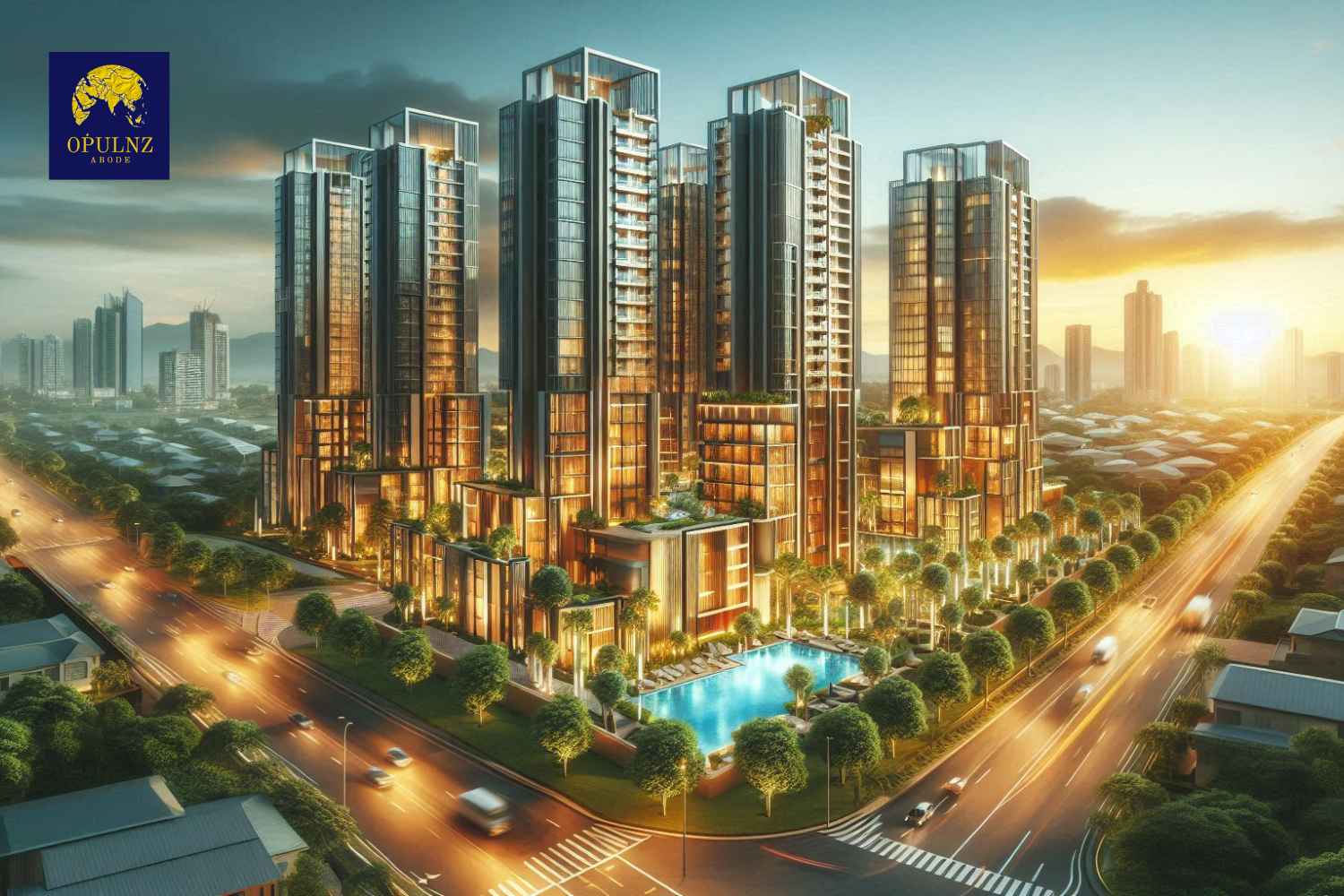
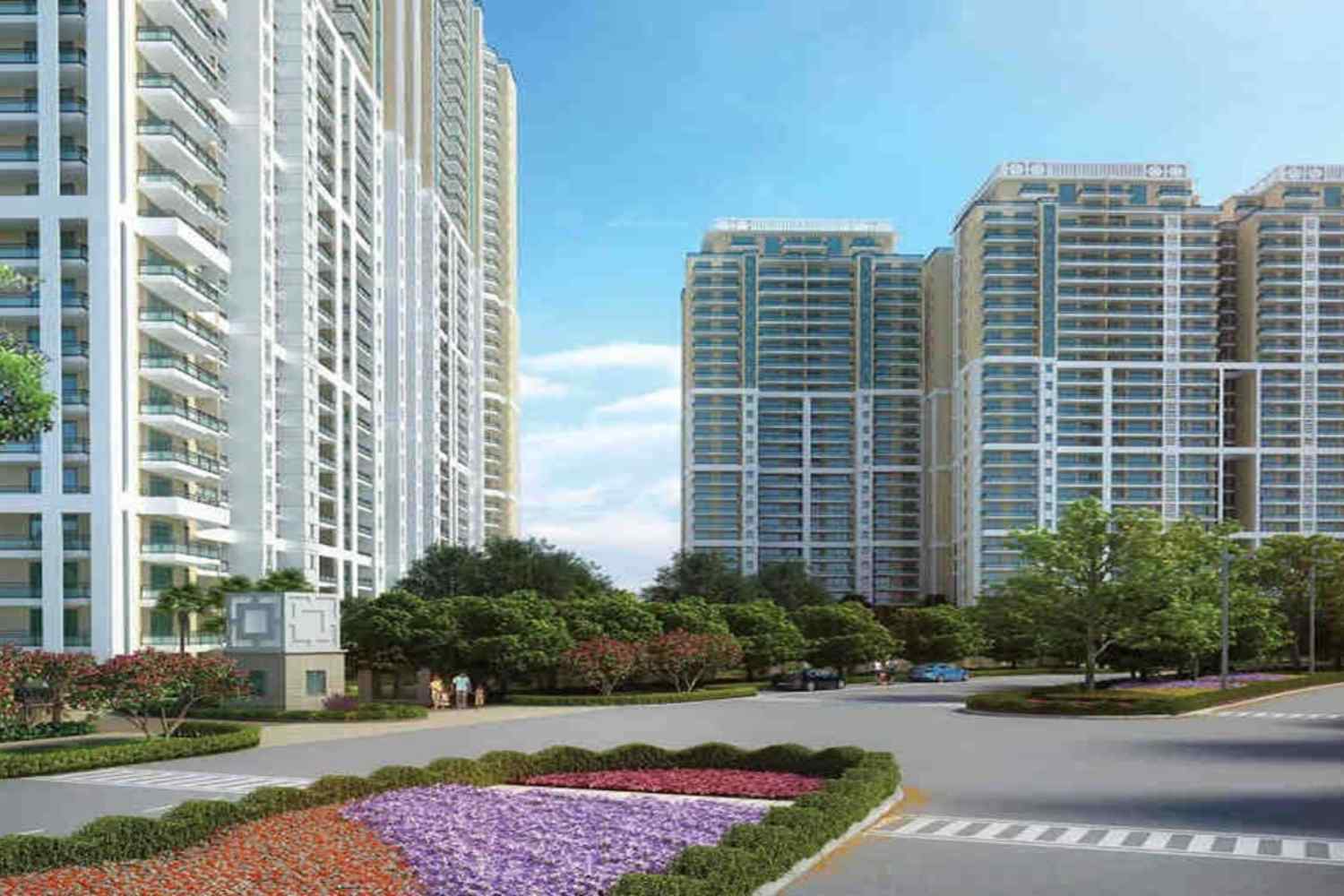
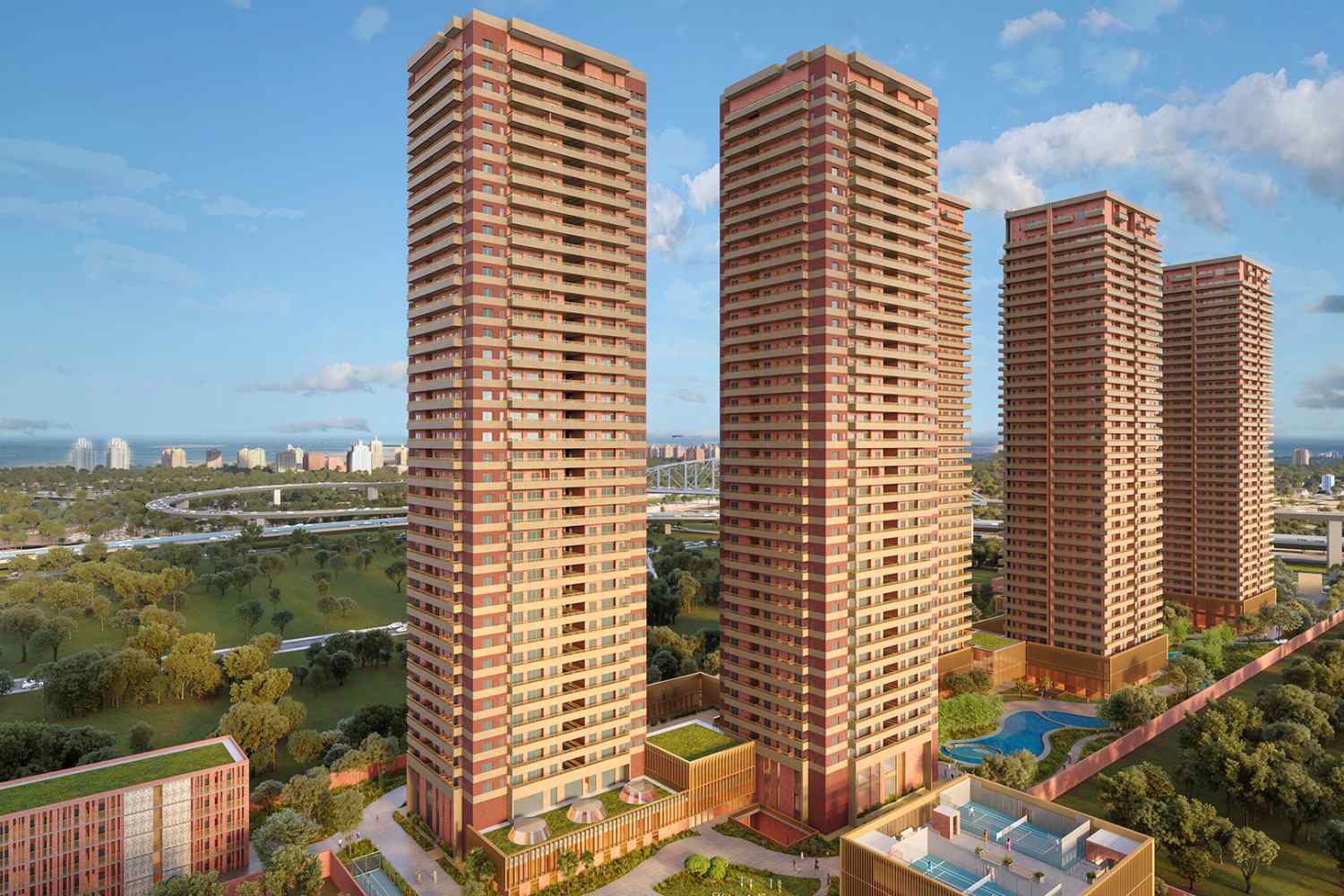
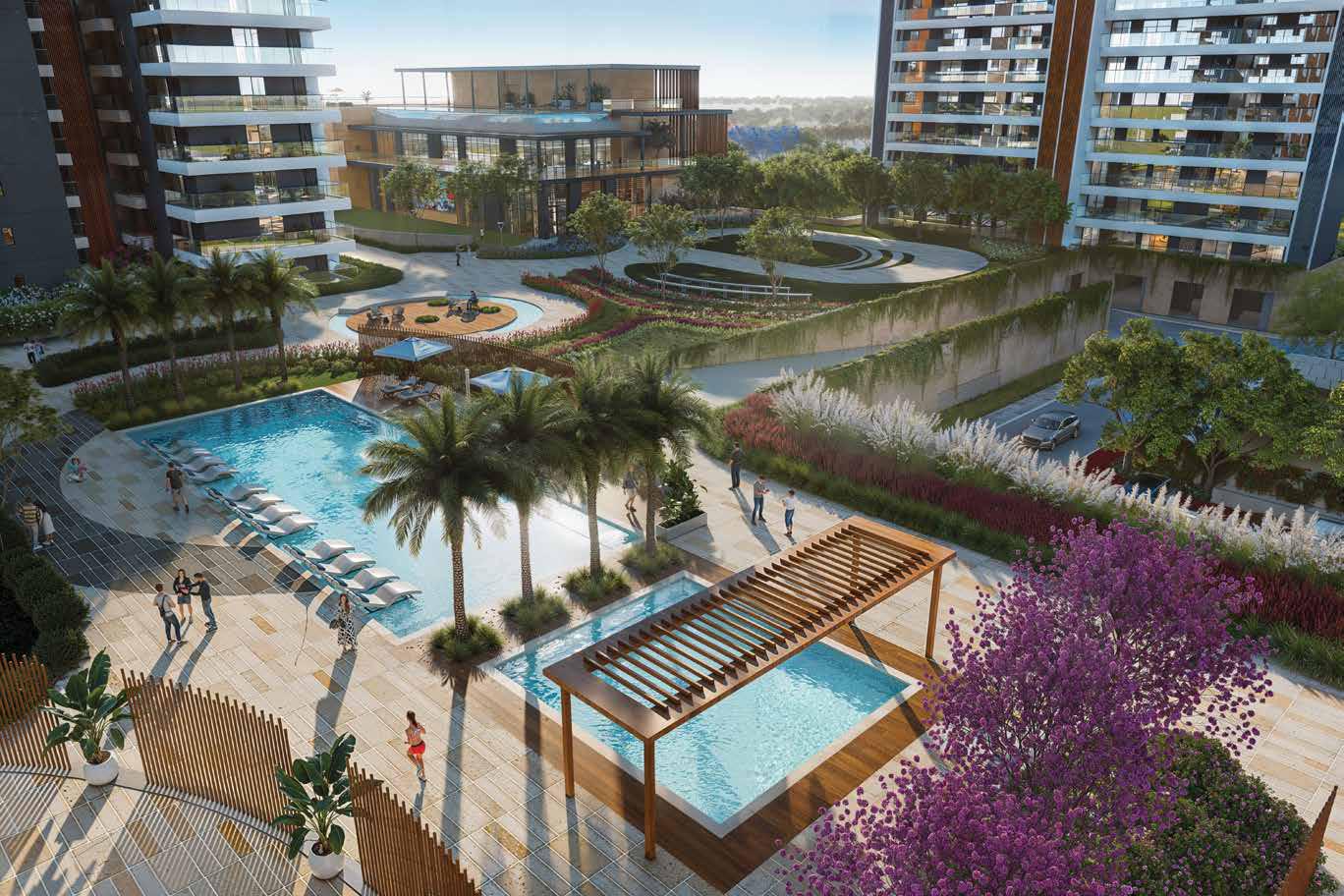
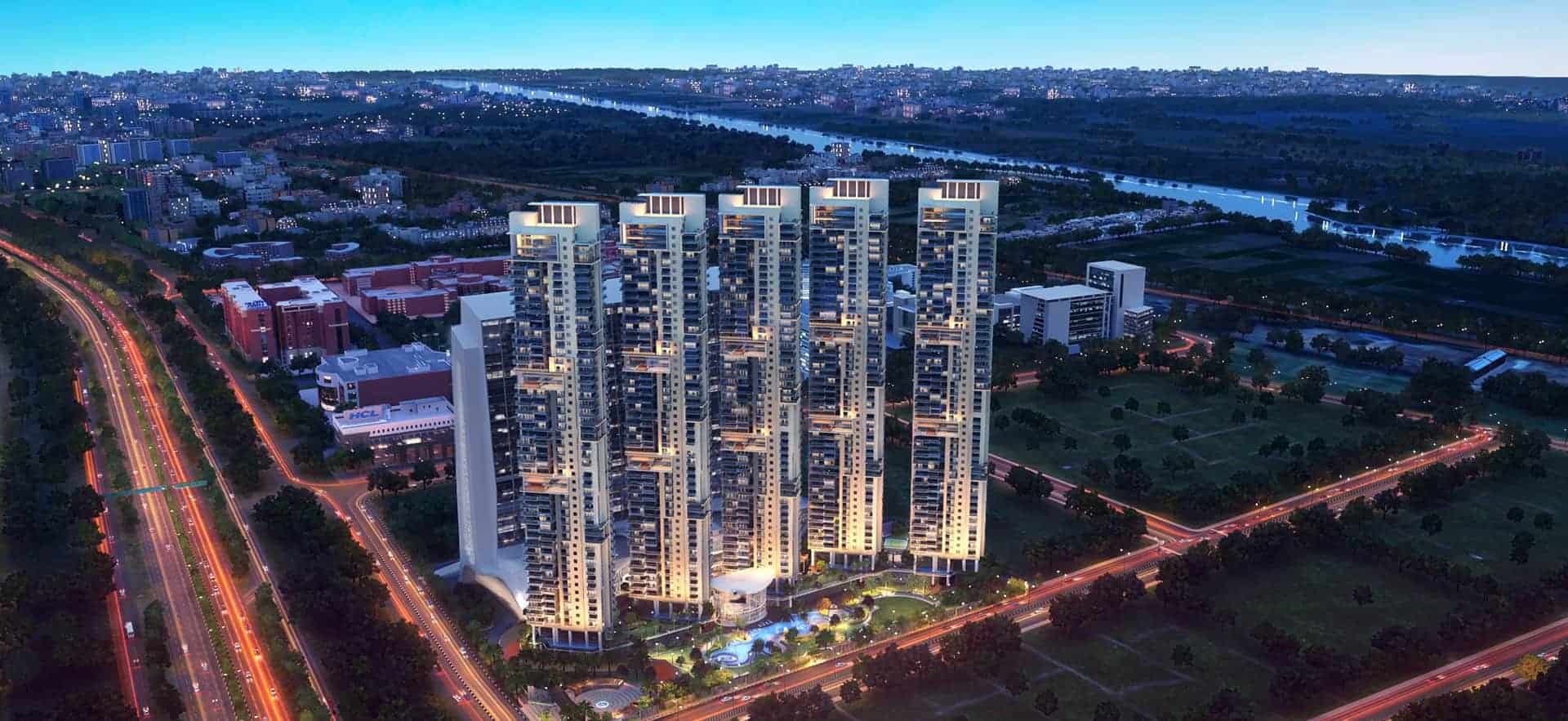
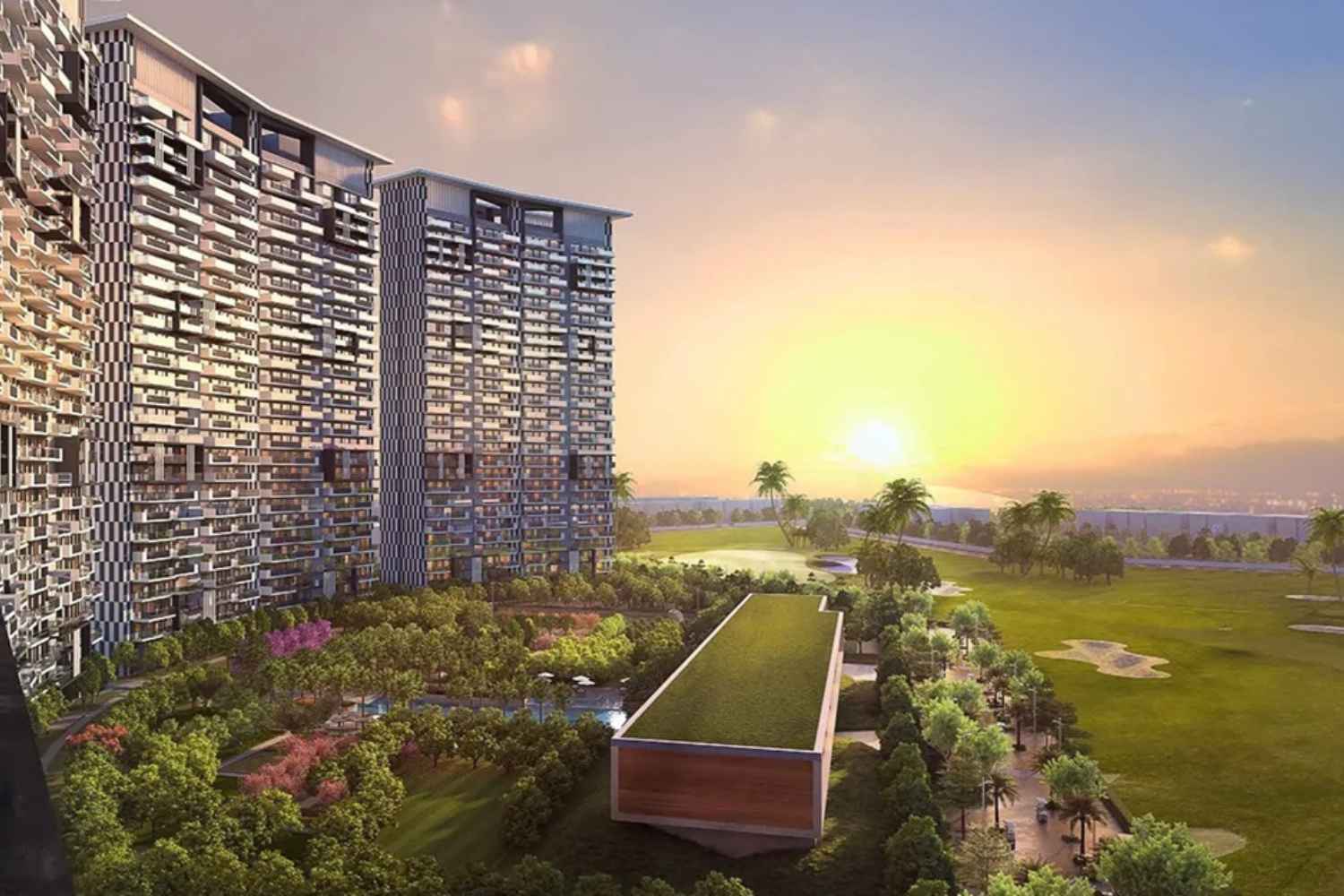
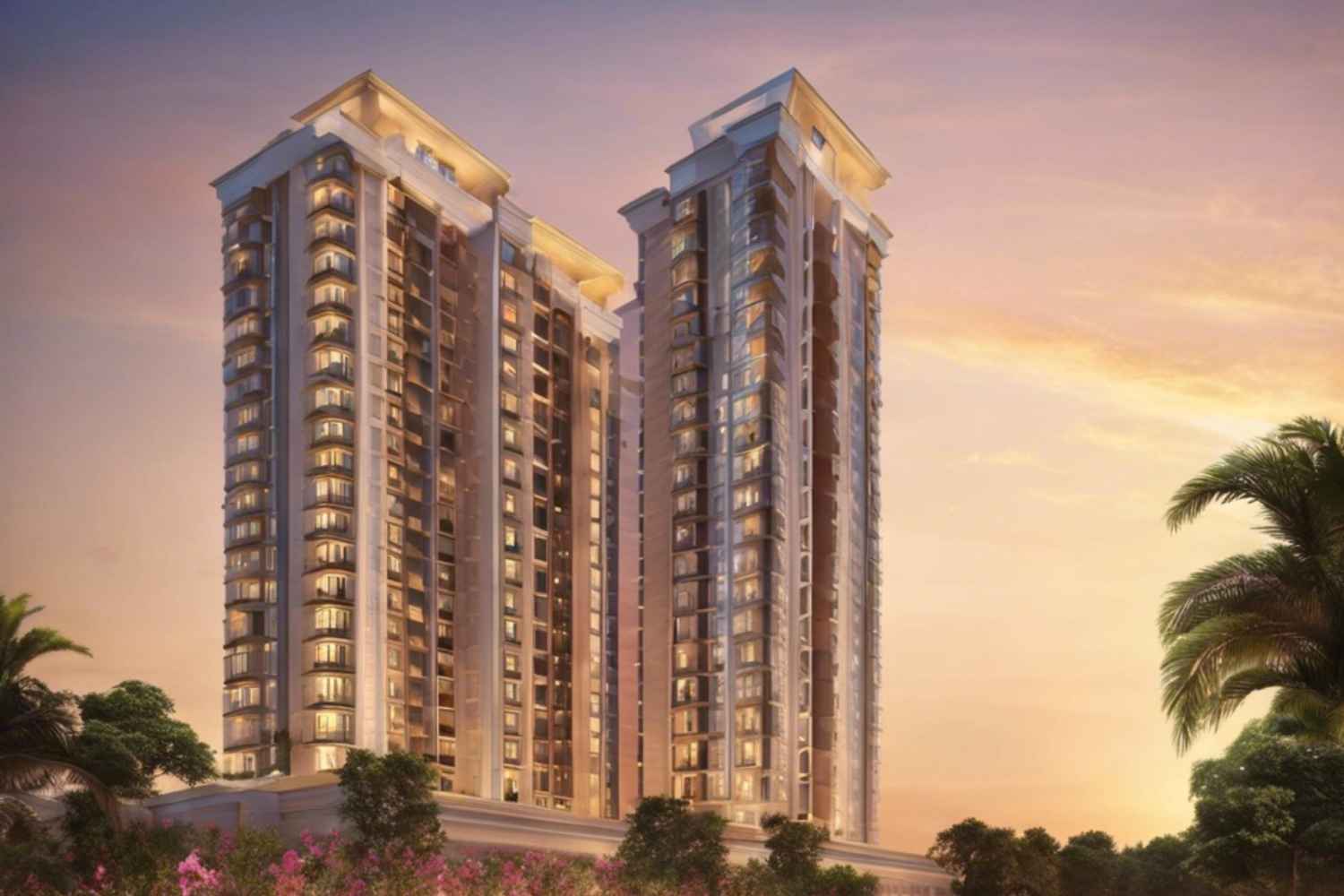
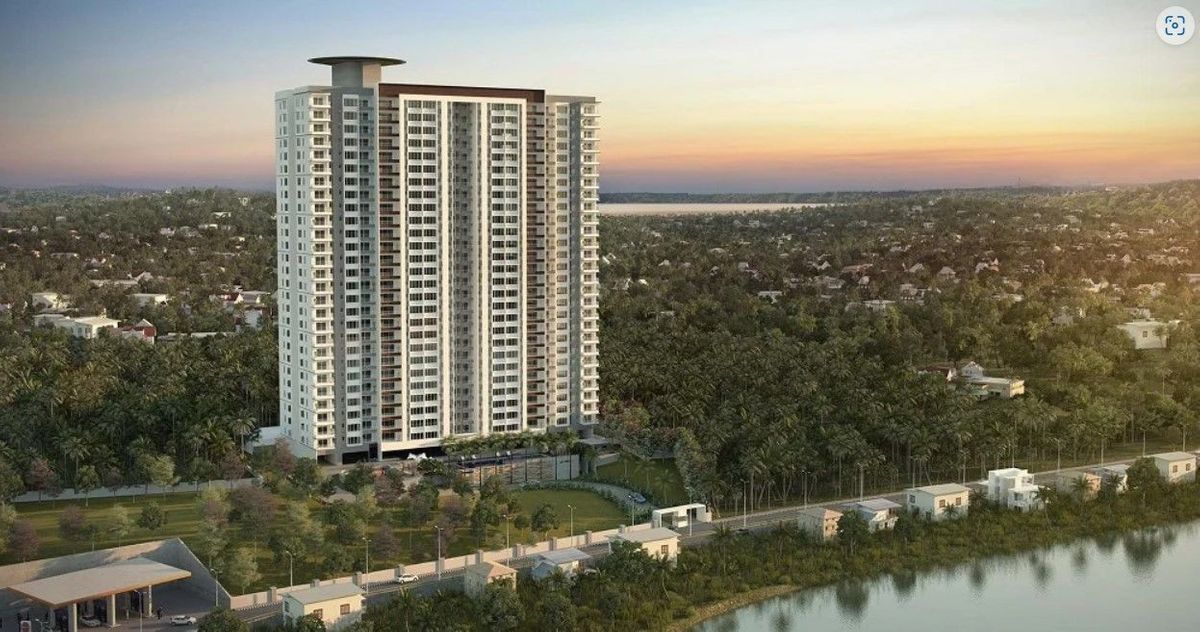
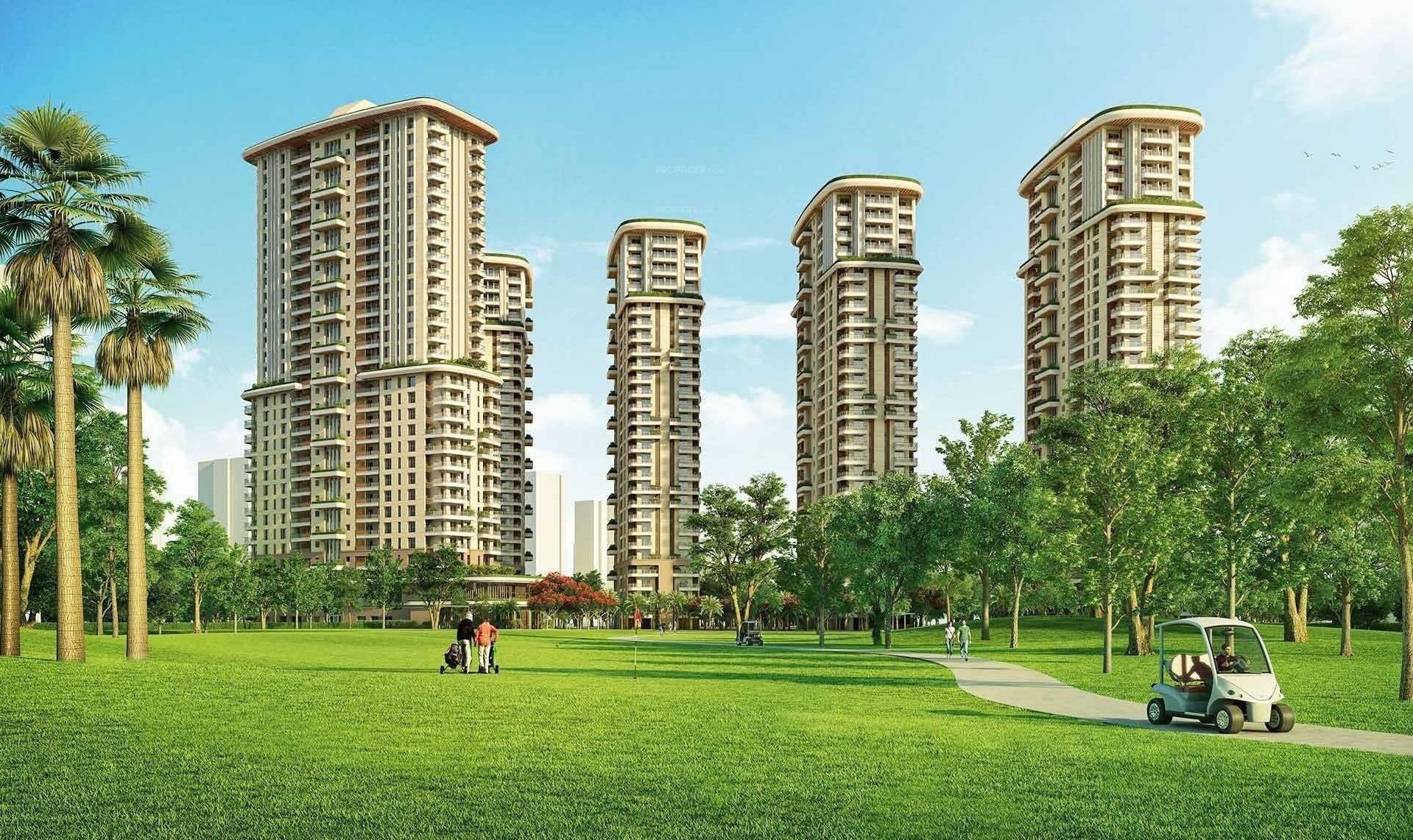
2026 looks different. DLF The Dahlias in Sector 54 Gurgaon: G+35 floors, one apartment per floor, 9,500 sq ft minimum, ₹65-150 crore. Max Estate 128 Sector 128 Noida: sold out twice, G+40 floors, ₹25,000 per sq ft. Oberoi Three Sixty North in Sector 58 GCER: G+40-50 floors, one apartment per floor, L&T constructing, ₹38,000-45,000 bare shell. The NCR is no longer borrowing Mumbai’s skyline. It is building its own.
The question worth asking honestly: when Hiranandani Gurgaon finally launches, or when Lodha enters Noida — as the market anticipates — will the Mumbai developer premium survive contact with an NCR buyer who already has DLF and Max Estates? Superluxere’s view: partially. And here is exactly why.
The NCR buyer who was in awe of Mumbai’s 40-storey towers in 2004 now lives in Gurgaon’s DLF Camellias at 35 floors or Max Estate 128 at 40 floors. The Mumbai developer’s structural advantage — height — no longer exists. What remains is brand trust, design language, and the specific premium that RERA cannot manufacture.
What Mumbai Developers Had That NCR Did Not — 20 Years Ago
The Mumbai developer’s original NCR advantage rested on three pillars that were genuinely absent in Delhi and Gurgaon in 2000-2010.
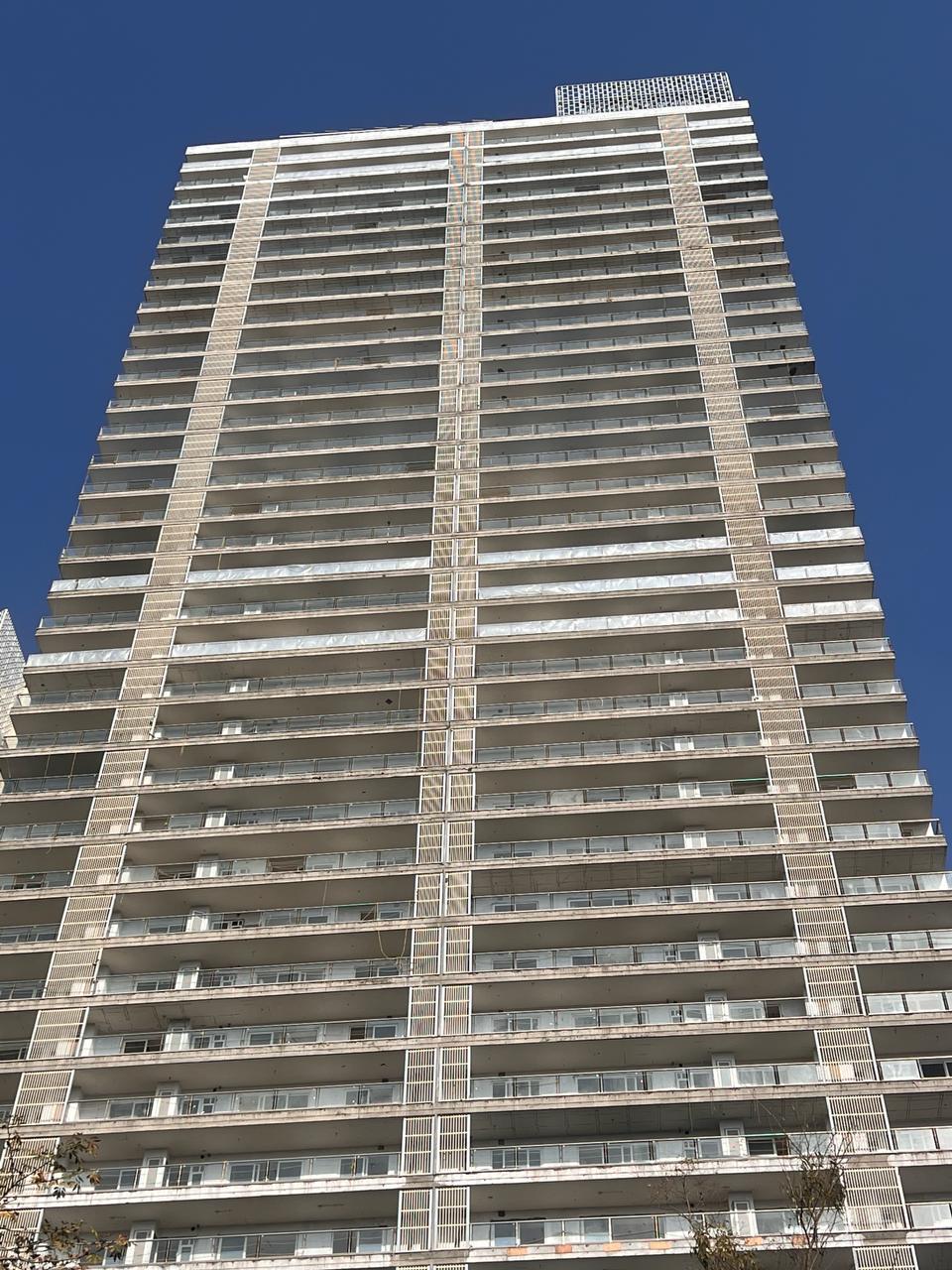
- Height and scale: Hiranandani’s 40-storey towers in Powai were a visual category that simply did not exist in NCR. The psychological impact of living above floor 25 — the city at your feet, the horizon unobstructed — was a Mumbai exclusive. NCR’s tallest residential buildings were 15-20 floors at best.
- Completion credibility: Mumbai developers completed on time because Maharashtra’s regulatory environment and institutional lender scrutiny were more demanding. NCR builders were notorious for delays, incomplete amenities, and quality shortcuts. The Mumbai developer’s promise of actual possession was worth a significant premium.
- Design sophistication: Rahul Kadri, Hafeez Contractor, the Lodha design teams — Mumbai’s luxury architects set a visual and spatial standard that NCR’s builder-floor culture had never encountered. Lobbies that felt like Oberoi hotels, amenity clubs that felt like gym memberships, landscaping that felt like resort entry.
What Has Changed — Why the Same Advantages No Longer Apply Cleanly
Height is now NCR’s standard, not Mumbai’s advantage
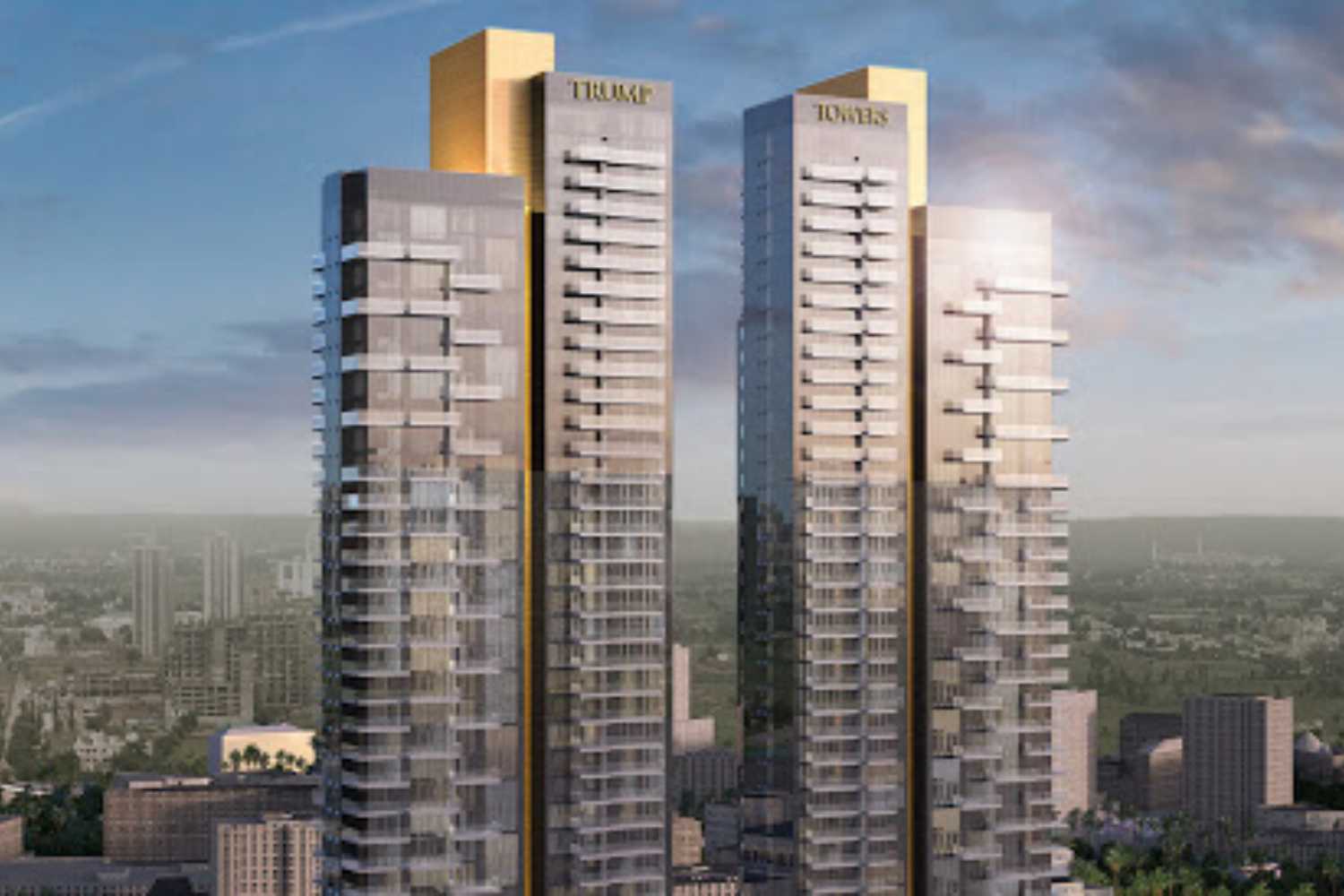
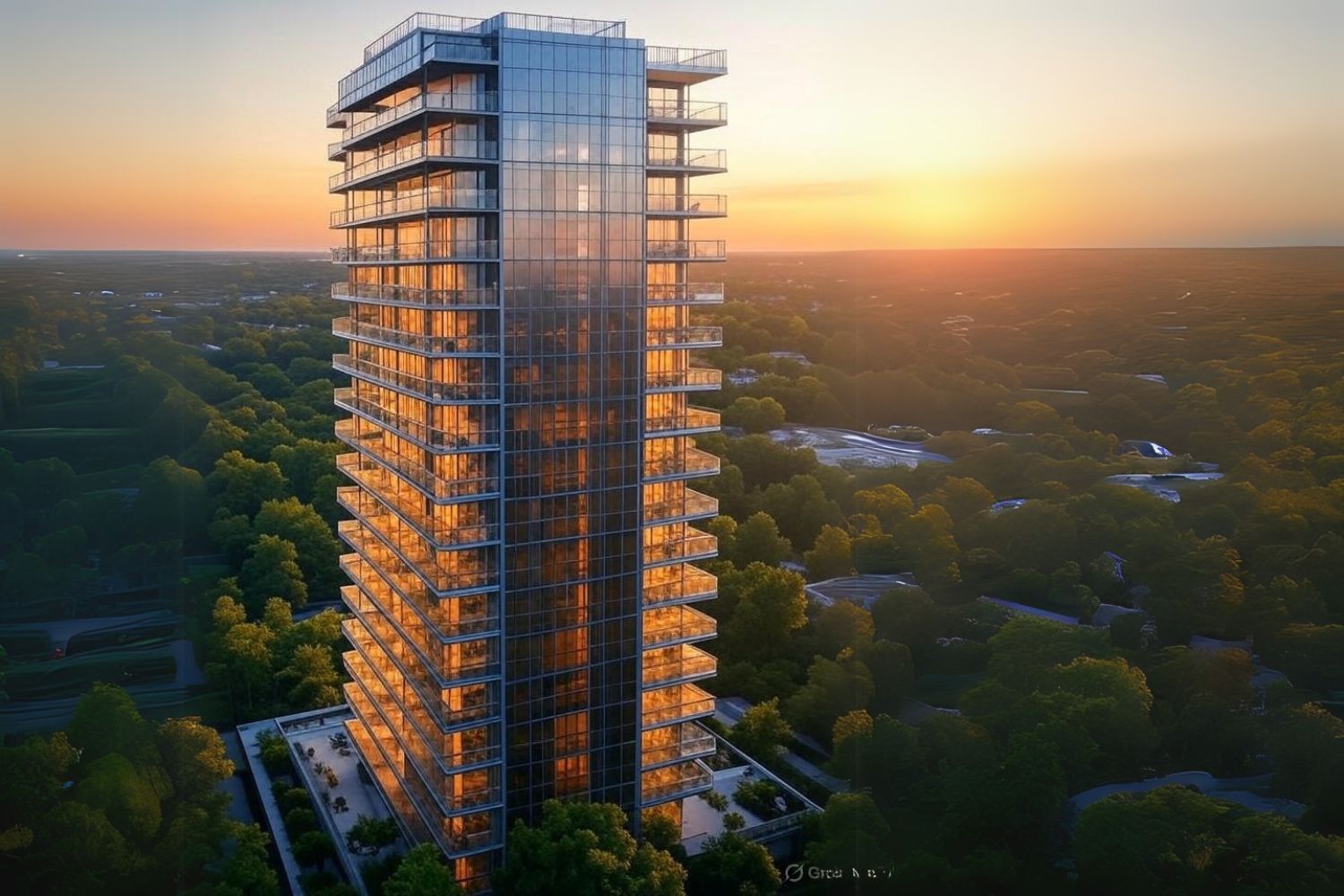
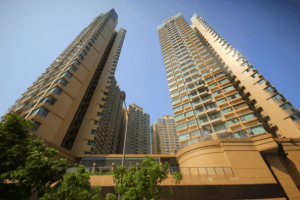
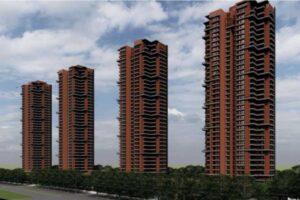
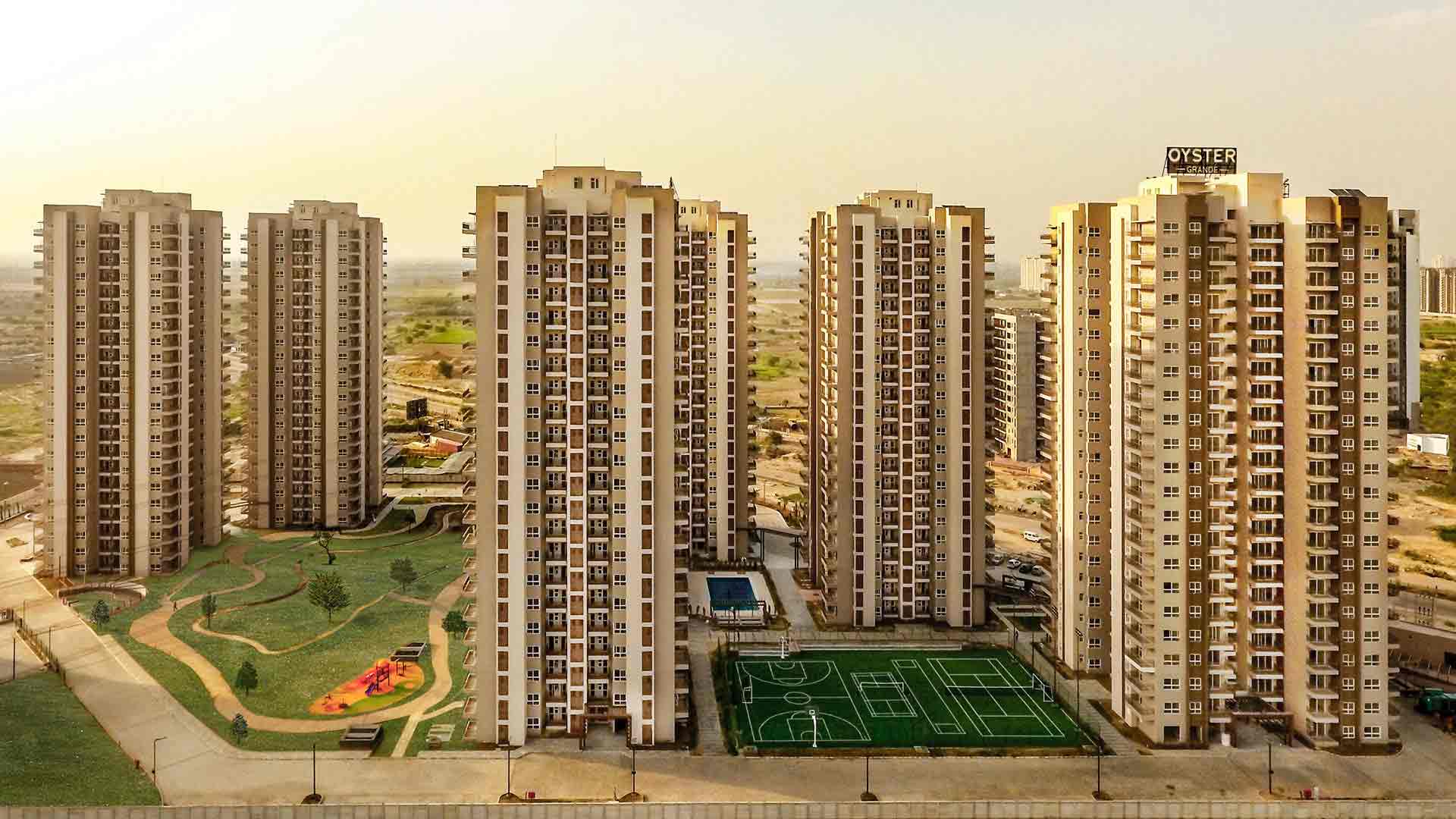
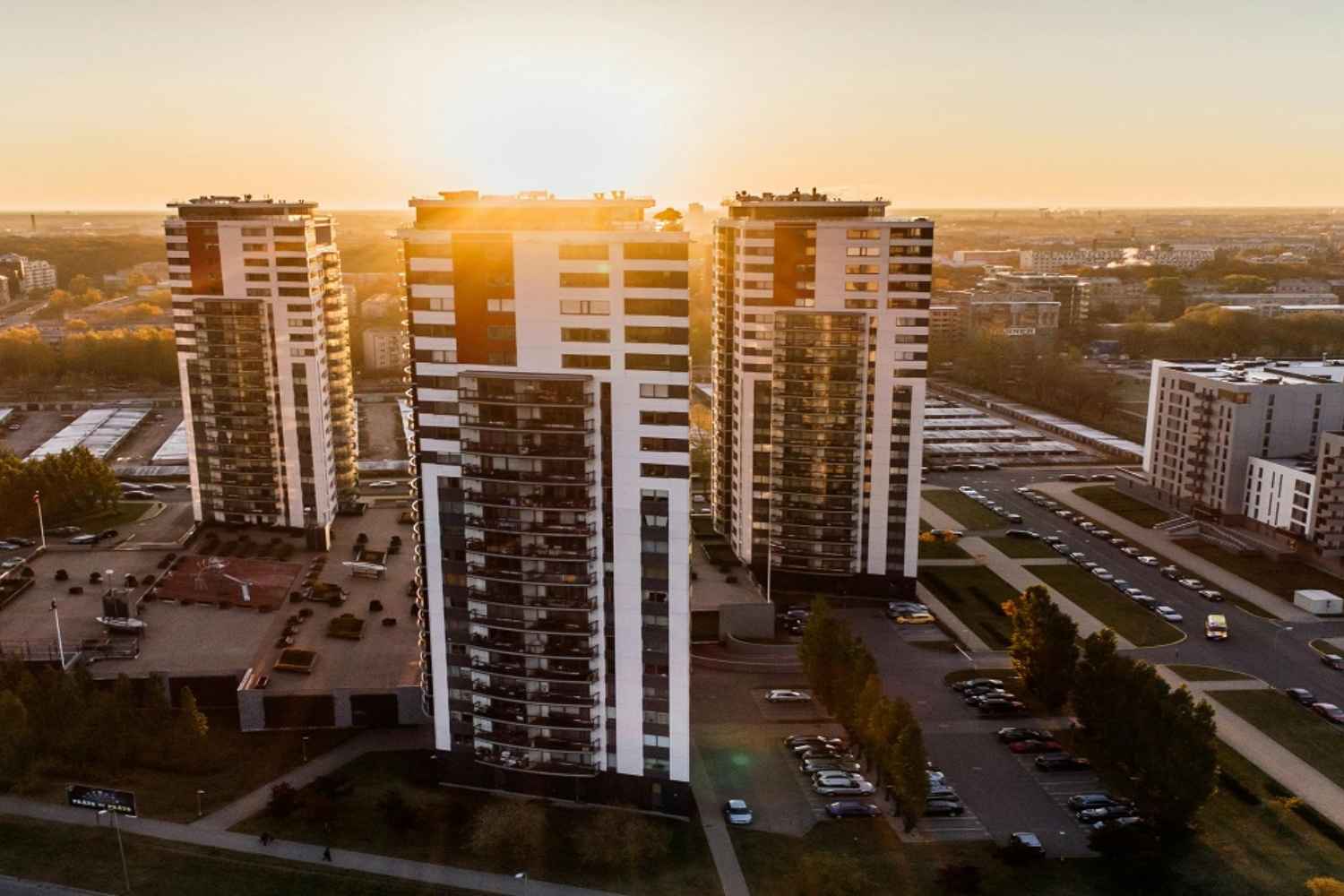
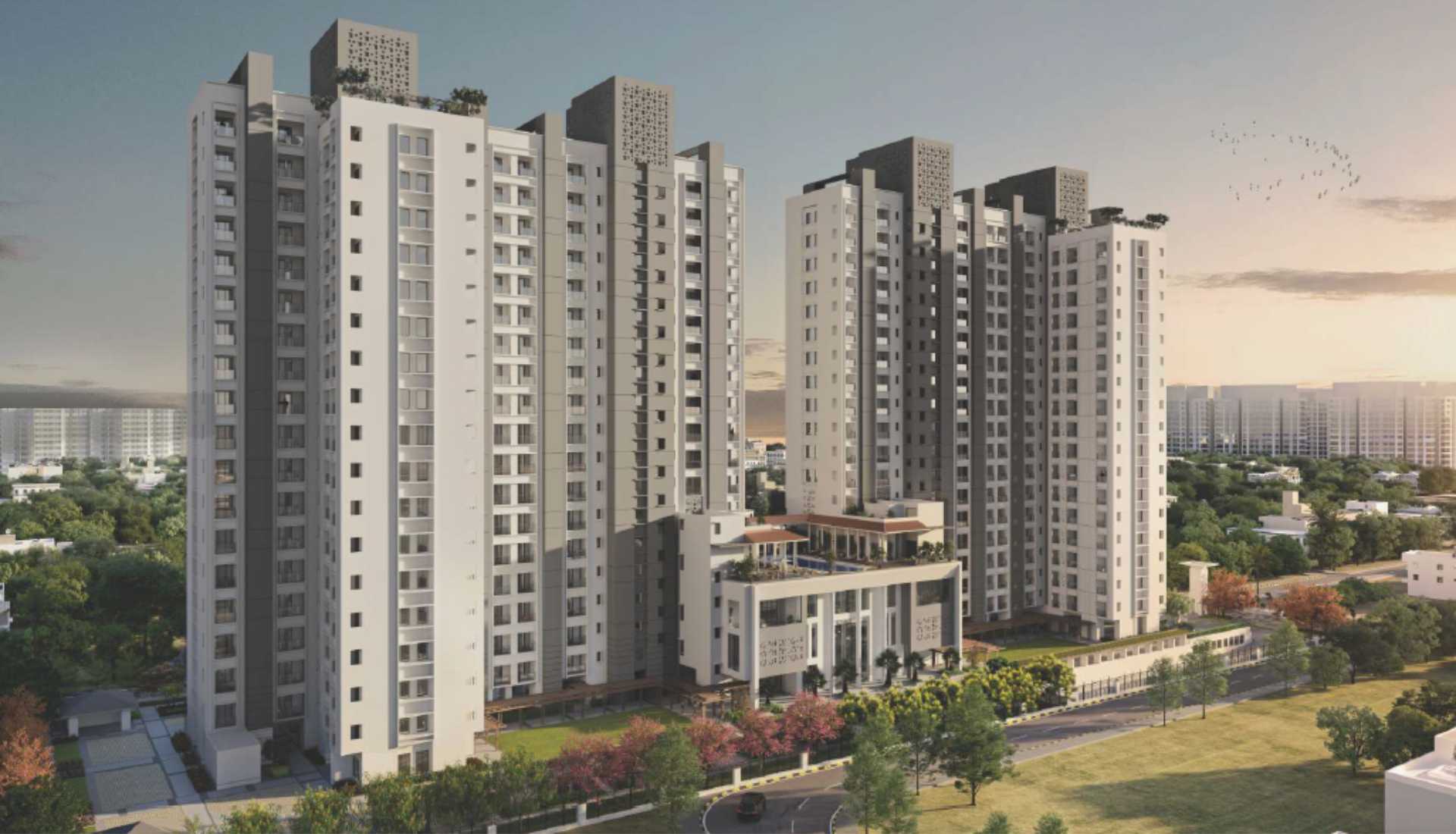
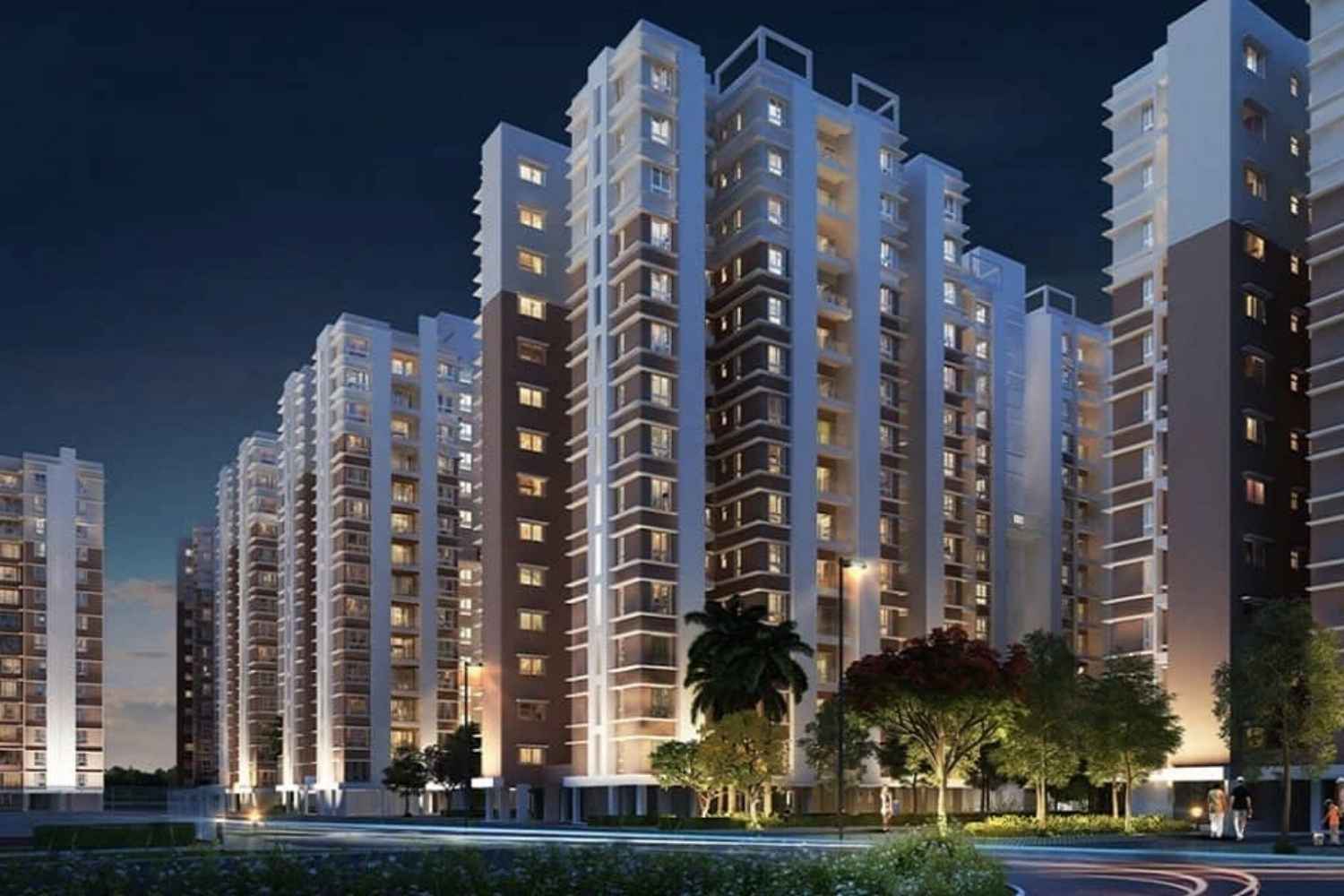
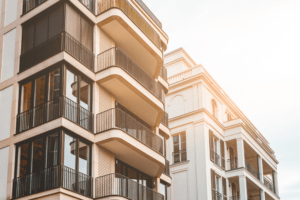
DLF Privana West in Sector 76 Gurgaon: G+46 floors. Max Estate 128 Noida: G+40 floors. Oberoi Three Sixty North Sector 58 GCER: G+40-50 floors, one apartment per floor, L&T constructing. Gulshan Taj Skyscape Noida: 57 floors — India’s tallest Taj. The Gurgaon and Noida skylines of 2026 are structurally indistinguishable from Mumbai’s residential towers in height and scale.
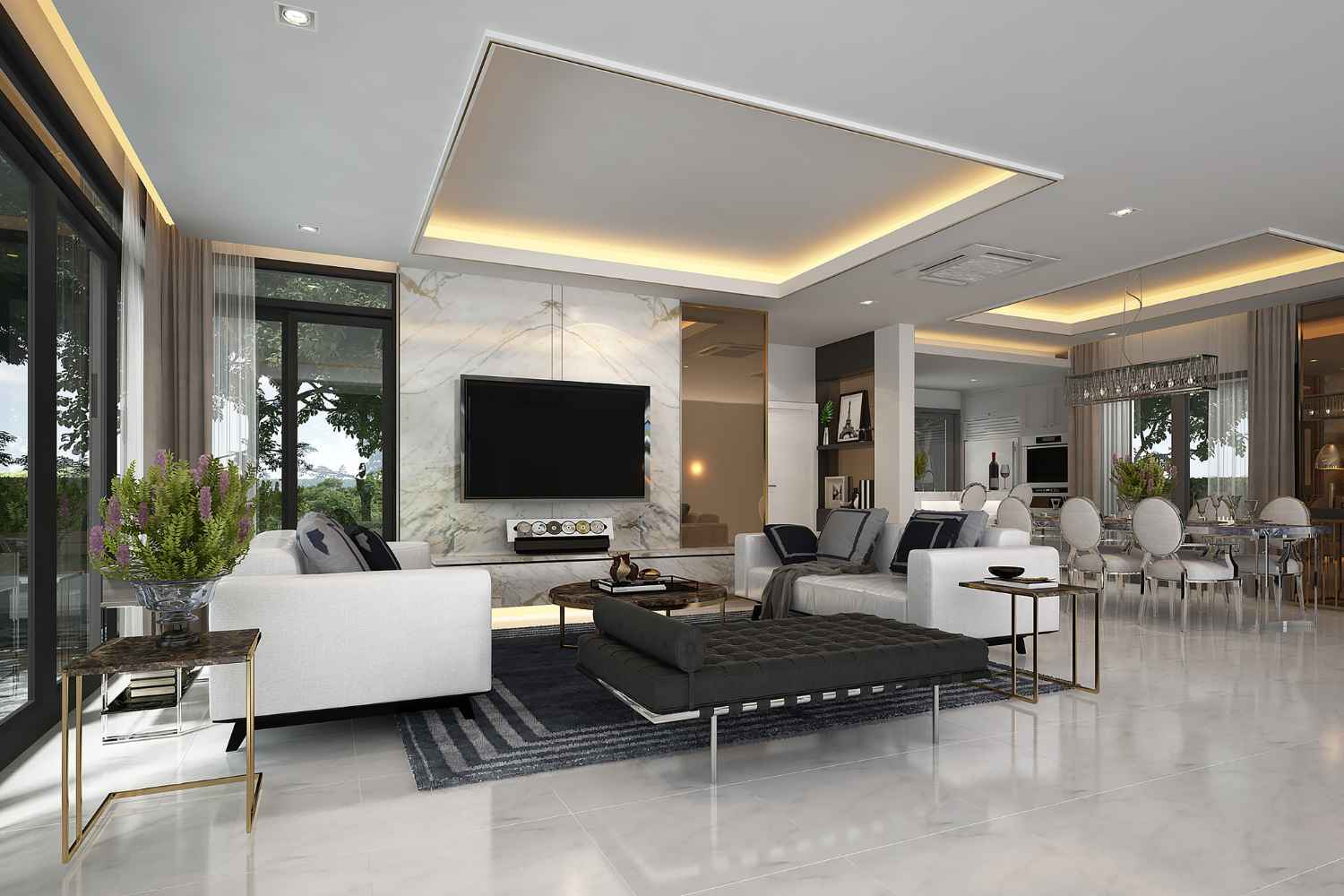
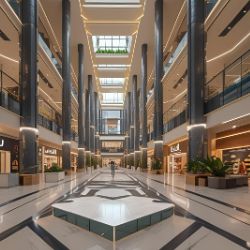
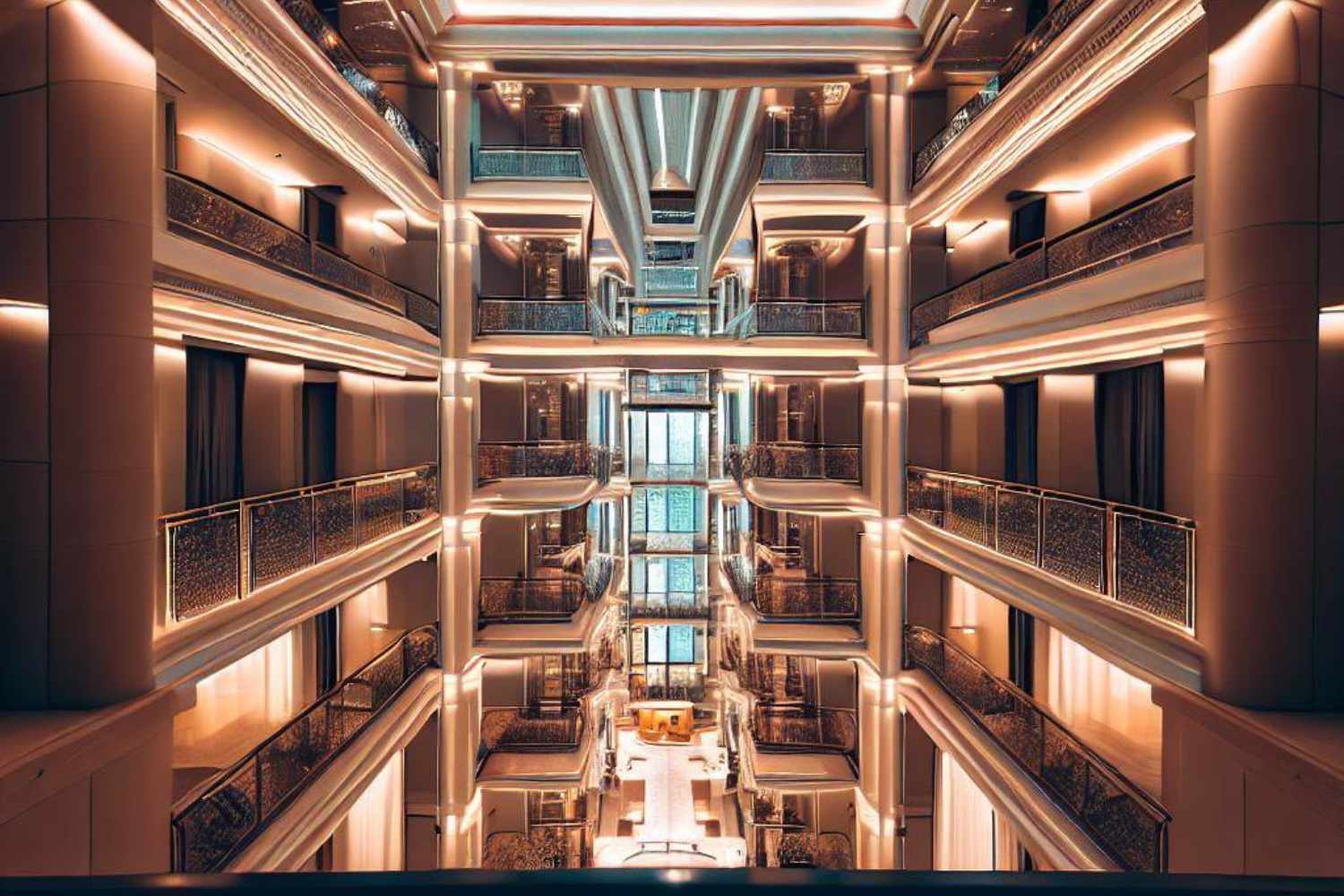
The NCR buyer who visits a Lodha Gurgaon project or Hiranandani Noida launch in 2026-27 will not be walking into the lobby and thinking ‘I have never seen anything like this.’ They will be comparing it to DLF Dahlias’ lobby, Max Estate 128’s arrival experience, and Oberoi Three Sixty North’s private lift foyer. The wow factor that made Mumbai developer entry a self-fulfilling premium no longer walks through the door automatically.
RERA has neutralised the completion premium
The Mumbai developer’s single most bankable NCR advantage was completion credibility. ‘We deliver on time. NCR builders do not.’ This was true in 2010. It is significantly less true in 2026.
RERA — operational since 2017 — has restructured NCR developer accountability. DLF The Dahlias has RERA. Max Estate 105 has RERA. Oberoi Three Sixty North has RERA: RC/HARERA/GGM/2451/2046/2024/164. Godrej Samaris has RERA. Every serious NCR launch now has mandatory escrow, possession commitment, and buyer compensation rights if delayed. The regulatory infrastructure that Mumbai developers used to promise as a brand differentiator is now the legal baseline for every RERA-registered NCR project.
A Lodha Gurgaon or Hiranandani Noida project will have RERA. So will its NCR competitor. The buyer who once paid a 20-30% Mumbai developer premium specifically for completion certainty now gets that certainty from the regulator — not from the developer’s city of origin.
NCR has built its own luxury design language
DLF’s The Dahlias was designed by a team that included international architects and produced a building that is, by any global standard, exceptional. The Camellias ₹190 crore transaction validated what DLF’s design intelligence is worth in the secondary market. Max Estates’ partnership with Antara, their IGBC Platinum certification, their LiveWell air purification — this is not a developer playing catch-up to Mumbai standards. This is a developer setting standards that Mumbai projects do not match.
Gensler is designing Godrej Samaris — the same Gensler that designed the Shanghai Tower. Killa Design (Museum of the Future Dubai) is the architect for CRC Peridona. Aedas Hong Kong for Eldeco 7 Peaks. The NCR’s international architecture roster in 2026 is comparable to — and in some cases better than — what Mumbai luxury projects are commissioning.
What Mumbai Developers Still Have — The Premium That Remains Real
Brand recognition that crosses geographies and generations
When a Delhi UHNWI family considers Lodha Gurgaon or Hiranandani Noida, the conversation with their peers is different from when they consider a new NCR developer. ‘Hiranandani’ means Powai. ‘Lodha’ means World One and The World Towers. These are names that India’s ultra-wealthy recognise from 30 years of premium township development. The NRI family in Singapore or London knows Lodha and Hiranandani from their Mumbai properties. They do not know Max Estates or even DLF with the same global legibility.
This brand recognition is not trivial. It is the signal that reduces the buyer’s due diligence burden. It is the name that makes the NRI’s overseas spouse or parent comfortable without a site visit. In a market where many buyers are committing ₹15-40 crore remotely, that reduced due diligence burden is worth a meaningful premium.
Township DNA — the Hiranandani model NCR has not yet replicated
Hiranandani Gardens Powai is not a project. It is an ecosystem — schools, hospitals, malls, offices, parks, clubs, and residential across 250+ acres, built over 20 years, where every new building benefits from the whole. No NCR developer has built a Hiranandani-equivalent township. DLF has DLF City in phases across Gurgaon — not a single integrated ecosystem. Max Estates has multiple projects but not an integrated township.
If Hiranandani enters Gurgaon or Noida with a 100-200 acre township mandate — not just a single tower — the NCR market has no answer to that product category. The township premium is genuine and unchallenged in NCR. A single Hiranandani tower, however, competes directly with DLF and Max Estates on specifications that are now comparable.
The Oberoi example — Mumbai brand that has genuinely earned its NCR premium
Oberoi Realty’s Three Sixty North is the most instructive current example. Three Sixty West in Worli launched at ₹45,000 per sq ft and now resells at ₹92,000-1,50,000. Three Sixty North enters GCER at ₹38,000-45,000 bare shell — 20-40% above comparable GCER products. Does the NCR market pay it? Superluxere’s analysis: yes — but specifically because Oberoi’s brand carries documented appreciation evidence, not just reputation.
The lesson for Lodha Gurgaon and Hiranandani Noida is precisely this: the Mumbai premium in NCR in 2026 must be earned through evidence, not assumed through legacy. The NCR buyer who compares Lodha Gurgaon to DLF The Dahlias is not in awe — they are evaluating. The one who chooses Lodha will do so because Lodha’s specifications justify the price, not because ‘it is a Mumbai developer.’
Superluxere’s Verdict — The Mumbai Premium in NCR, 2026 Edition
- Township development (Hiranandani Noida, Hiranandani Gurgaon): Full premium justified. No NCR developer can match a genuine Hiranandani-scale township. If Hiranandani enters NCR with 100+ acre integrated development, the premium is structural and permanent.
- Single luxury tower (Lodha Gurgaon, Lodha Noida): Partial premium. 10-15% above NCR peers for brand recognition and NRI legibility. But the buyer who compares specifications carefully will find DLF Dahlias, Max Estate 105, and Oberoi Three Sixty North competitive or superior on individual metrics.
- Branded residences (Oberoi Three Sixty North — already in NCR): Full premium justified — because Three Sixty West’s documented appreciation trajectory is the evidence the NCR buyer now demands. Oberoi is the proof point that a Mumbai developer’s NCR premium can be earned rather than assumed.
- The buyer’s question to ask: Is the Mumbai developer bringing something to NCR that DLF, Max Estates, and Oberoi cannot? Township scale: yes. Brand recognition for global NRI: yes. Individual tower specifications: increasingly, no.
→ Superluxere: Oberoi Three Sixty North — The Mumbai Developer That Has Earned Its NCR Premium
→ Superluxere: Mumbai Real Estate at 14-Year High — The Source Market
→ Superluxere: Mumbai’s New Wealth Class — What It Signals for NCR
→ Superluxere: GCER Corridor — Where Oberoi Is Entering
Frequently Asked Questions
Will Hiranandani enter Gurgaon or Noida — and what would a Hiranandani Gurgaon project look like?
Hiranandani Group has evaluated NCR multiple times over the past decade. As of June 2026, no formal announcement of Hiranandani Gurgaon or Hiranandani Noida has been made. However, the structural conditions for a Mumbai township developer’s NCR entry have never been stronger: RERA has resolved title and delivery concerns, Jewar Airport is operational, and Adani’s Jaypee land resolution has created large clean parcels on the Yamuna Expressway. A genuine Hiranandani entry — township scale, 100-200 acres, integrated schools, hospitals, and commercial — would be the NCR’s first Hiranandani Powai equivalent. That is the only Mumbai developer product that currently has no NCR competitor.
Is Lodha planning to enter Gurgaon or Noida?
Lodha Group (Macrotech Developers, listed on BSE/NSE) has been actively evaluating NCR as part of its national expansion strategy. As of June 2026, Lodha has confirmed interest in the Delhi NCR market but no formal project announcement with RERA registration for Lodha Gurgaon or Lodha Noida has been made. Lodha’s track record — World One (Mumbai’s tallest residential), The World Towers, Palava City township — gives them the brand and execution credibility for an NCR entry. When Lodha formally announces a Gurgaon or Noida project, it will be at a 15-20% premium to comparable NCR launches. Whether that premium holds depends on the product’s township integration and NRI legibility.
Can DLF and Max Estates match Mumbai developers in luxury quality in 2026?
On individual building specifications: yes — and in some dimensions, exceed them. DLF The Dahlias (AI-ready infrastructure, one apartment per floor, 9,500 sq ft minimum) has no Mumbai equivalent at the same price point. Max Estates’ IGBC Platinum standard and LiveWell air purification are ahead of most Mumbai luxury specifications. Oberoi Three Sixty North entering NCR with one-apartment-per-floor at ₹38,000 bare shell is itself a Mumbai developer validating that NCR can support this format. The gap that remains: township DNA (Hiranandani’s integrated 250-acre ecosystems) and global NRI brand recognition (Lodha’s international marketing machine). On tower specifications and design quality: NCR has arrived.
Why is Oberoi Three Sixty North important for understanding the Mumbai developer premium in NCR?
Oberoi Three Sixty North is the live test case. A Mumbai developer — Oberoi Realty — has entered GCER at ₹38,000-45,000 per sq ft bare shell, 20-40% above comparable NCR products. If Phase 1’s ~200 units sell within 18-24 months, it confirms that the Mumbai brand premium survives in NCR when backed by documented appreciation evidence (Three Sixty West at ₹92,000-1,50,000 resale). If Phase 1 struggles to absorb, it signals that NCR’s UHNWI buyer in 2026 is evaluating on specification rather than origin — and that the awe factor is well and truly finished.
Sources: Oberoi Realty | DLF Limited | Max Estates | Hiranandani Group | Lodha Group (Macrotech) | HRERA | India Sotheby’s Luxury Report 2025 | JLL India 2026 | Superluxere Research 2026
Superluxere research: superluxere.com | GCER analysis: superluxere.com/location/golf-course-road-extension